
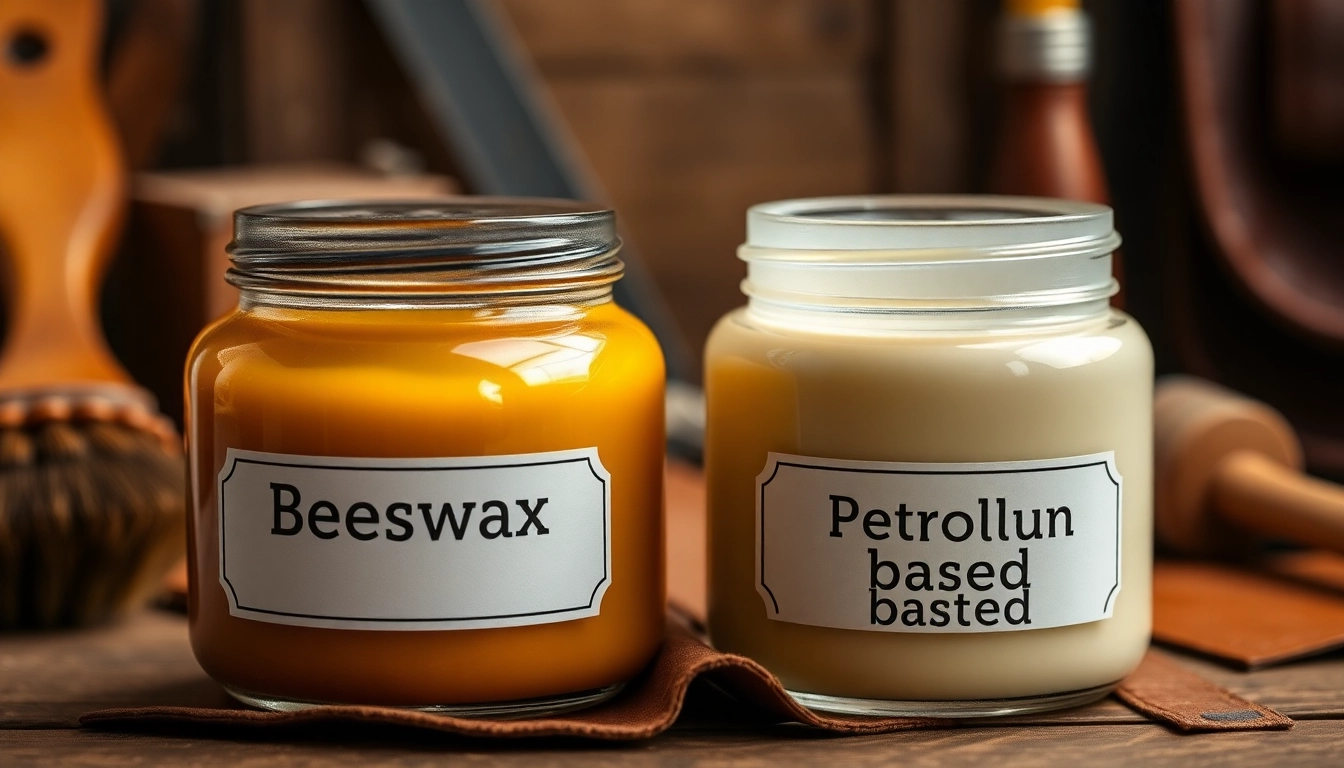
Understanding Beeswax vs. Petroleum-based Leather Dressings
Leather is a timeless material, prized for its durability and luxurious feel. To maintain leather goods and prolong their lifespan, using the right dressings is essential. Among the options available, Beeswax vs. Petroleum-based leather dressings are two widely debated choices. This article will explore what each type consists of, their key differences, benefits of using each, and much more.
What are Beeswax and Petroleum-based Leather Dressings?
Beeswax leather dressings are natural products derived from the wax produced by bees. Often used for waterproofing, preserving, and conditioning leather, beeswax forms a protective barrier that helps retain moisture and enhance the leather’s natural beauty. The process of applying beeswax typically involves melting the wax and then working it into the leather to create a seal that protects from elements.
On the other hand, petroleum-based leather dressings are synthetic products that contain chemicals derived from petroleum. These products are designed to penetrate the leather and provide waterproofing and conditioning, often enhancing durability. However, they can include additives and preservatives that may not be as environmentally friendly as natural options.
Natural vs. Synthetic: Key Differences
The primary distinction between beeswax and petroleum-based dressings lies in their composition. Beeswax is all-natural and minimally processed, maintaining healing compounds that contribute to the leather’s longevity. In contrast, petroleum-based products often undergo heavy processing and can contain chemicals detrimental to the leather’s stitching and fibers. This difference in chemical makeup highlights the natural, non-toxic properties of beeswax compared to potentially harmful components found in petroleum-based products.
Benefits of Using Beeswax on Leather
Choosing beeswax over petroleum-based alternatives offers several notable advantages:
- Natural Protection: Beeswax is non-toxic and eco-friendly, ideal for those concerned about sustainability.
- Moisture Retention: It acts as an emollient, softening the leather and helping to retain moisture, which prevents drying and cracking.
- Waterproof Barrier: Beeswax creates a water-resistant seal that protects leather from the damaging effects of moisture.
- Durability: Frequent use of beeswax can enhance the leather’s appearance and extend its lifecycle, keeping the leather supple and vibrant.
Application Techniques for Leather Dressings
How to Apply Beeswax on Leather Effectively
Applying beeswax to leather requires specific techniques for optimal results. Here’s a step-by-step guide:
- Clean the Leather: Start with clean leather. Remove dirt and dust using a damp cloth.
- Heat the Beeswax: Melt a small amount of beeswax in a double boiler or microwave until it becomes viscous.
- Apply to Leather: Using a soft cloth or sponge, work the melted beeswax into the leather in circular motions.
- Allow to Set: Let the beeswax sit on the leather for around 20 minutes to absorb before buffing with a clean cloth.
- Final Buffing: Once absorbed, buff the leather to bring out a sheen.
Tips for Using Petroleum-based Leather Dressings
When opting for petroleum-based leather dressings, consider these tips for effective application:
- Test First: Always do a patch test to check for adverse reactions or color changes.
- Apply Sparingly: Use a minimal amount and distribute evenly to prevent over-saturation.
- Follow Manufacturer’s Instructions: Adhere to specific instructions on the product label for the best outcomes.
Choosing the Right Application Method for Your Leather
The right method for applying leather dressings largely depends on the type of leather item. For example, softer leathers, like those used in jackets, may require more gentle application techniques utilizing beeswax, while more durable leathers like those found in work boots can benefit from the penetrative properties of petroleum-based products. Always assess the leather type before making a decision.
Performance Comparison: Beeswax vs. Petroleum-based Leather Dressings
Water Resistance: Which Type Wins?
Both beeswax and petroleum-based dressings offer water resistance, but the mechanisms differ. Beeswax forms a thicker, physical barrier, making it excellent for repelling water. Conversely, while petroleum-based products absorb into the leather, they may not seal the leather quite as effectively. For long-lasting water resistance, beeswax is often considered superior.
Durability: Long-lasting Protection Factors
When it comes to durability, beeswax treatment can enhance leather’s natural properties, contributing to its resilience against wear while maintaining breathability. By contrast, petroleum-based treats, while effective, can sometimes lead to a build-up that might compromise the leather’s flexibility over time. Ultimately, for the long-term protection of leather, beeswax often stands out for the quality of care it provides.
Maintenance Ease: Beeswax vs. Petroleum
In terms of maintenance efficiency, beeswax requires less frequent application compared to petroleum-based products. While petroleum treatments may offer immediate effects, they might degrade more quickly, necessitating more repetitive applications. Beeswax often needs less frequent re-application, making it a more sustainable choice for long-term care.
Common Myths about Leather Care
Debunking Misconceptions about Beeswax
One common myth is that beeswax is too heavy and greasy, leaving leather feeling sticky. In reality, when applied correctly, beeswax absorbs beautifully, providing a protective layer without leaving residue.
Understanding Myths Surrounding Petroleum-based Products
Some believe petroleum products are universally beneficial. However, there are risks; some compounds can damage stitching and fibers over time, leading to weakened leather. This makes understanding product ingredients vital when selecting a dressing.
Interactions with Different Leather Types
Different leathers can react differently to treatments. For instance, while beeswax may enhance the luster of genuine leather, some synthetic leathers might react negatively to it. Users should always consult care instructions based on the specific type of leather for optimum care.
FAQs: Your Questions on Beeswax vs. Petroleum-based Leather Dressings
Should I use beeswax on leather?
Yes, beeswax is excellent for leather as it provides hydration and protection while being eco-friendly.
Is beeswax the same as petroleum?
No, beeswax is a natural substance produced by bees, while petroleum is a synthetic byproduct of oil refining.
Which is better for leather preservation?
Beeswax is often considered better for preservation due to its natural emollient properties and non-toxic nature.
Can I mix beeswax with other leather conditioners?
Yes, mixing beeswax with natural oils can enhance its moisturizing properties, creating a better conditioner.
How often should I condition leather?
Condition leather every 3 to 6 months, depending on usage and exposure to harsh elements.
About the Author