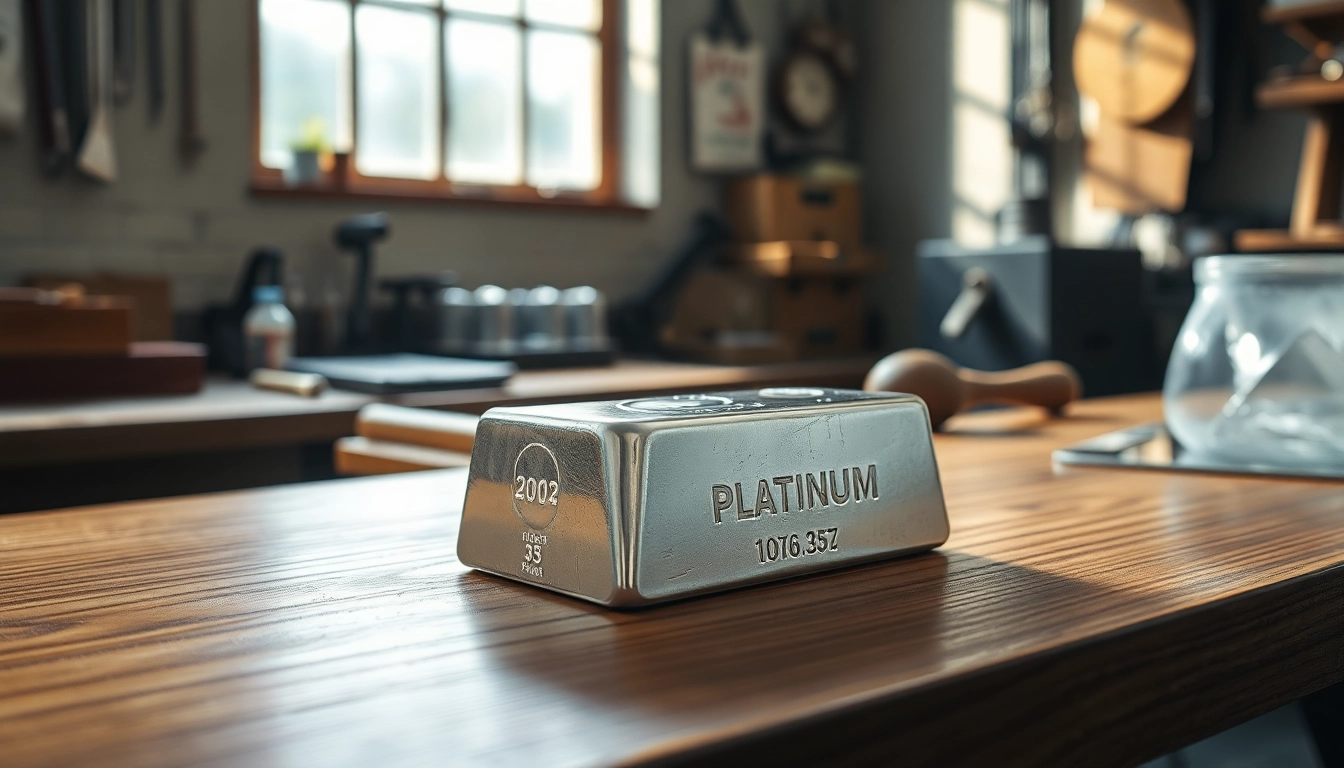
Introduction to Platinum and Its Characteristics
Platinum is a rare and precious metal famed for its unique properties and versatile applications. Often seen as a symbol of wealth, it plays a significant role across various sectors, from jewelry to industrial use. Understanding platinum involves exploring its characteristics, rarity, and the distinct qualities that set it apart in both the natural and economic landscape. This article delves into the intrinsic aspects of platinum, including its platinum applications, investment potential, and sustainability efforts.
What is Platinum?
Platinum is a chemical element represented by the symbol Pt and has the atomic number 78. It is a dense, malleable, and ductile metal that exhibits a silvery-white appearance. Known for its high melting point and remarkable resistance to corrosion, platinum has been valued for centuries. In ancient times, it was often mistaken for silver due to its color but has since become more recognized for its rarity and significant applications in various fields.
Physical and Chemical Properties of Platinum
Beyond its aesthetic appeal, platinum possesses several physical and chemical properties that contribute to its value:
- Density: Platinum is extraordinarily dense, with a density of about 21.45 g/cm³, making it heavier than gold.
- Malleability: It can be easily shaped and formed without breaking, which is crucial for its use in jewelry.
- Corrosion Resistance: Platinum is highly resistant to tarnishing and corrosion, allowing it to maintain its luster over time.
- Oxidation Resistance: Platinum does not oxidize in air or water, making it ideal for use in catalytic converters and other high-temperature applications.
Rarity and Availability of Platinum
Platinum is among the rarest of precious metals, available in significantly lower quantities than gold and silver. It is estimated that the annual production of platinum is about 20 times less than that of gold, making it a sought-after commodity in various industries. The limited availability contributes to its high value and status as a luxury item. The largest producers of platinum are South Africa, Russia, and Canada, where mining operations carefully extract this noble metal from the earth.
Industrial Applications of Platinum
The versatility of platinum extends beyond mere jewelry and fashion; it plays a crucial role in various industrial applications. Below are some of the most significant uses of this remarkable metal.
Role of Platinum in Catalysis
One of platinum's most critical applications lies in catalysis. Platinum is a highly effective catalyst due to its ability to accelerate chemical reactions without undergoing any permanent changes itself. This property is invaluable in several processes:
- Catalytic Converters: Used in vehicles to convert harmful exhaust gases into less harmful emissions, thus reducing pollution.
- Hydrogen Production: Platinum catalysts are utilized in hydrogen fuel cells that generate electricity through the reaction of hydrogen and oxygen.
- Petrchemicals: In the petrochemical industry, platinum aids in the refining process, enhancing the yield and quality of fuels.
Use of Platinum in Electronics and Technology
In the electronics industry, platinum's high conductivity and resistance to tarnishing make it ideal for several applications:
- Electrical Contacts: Used in connectors and contacts to ensure consistent performance over time.
- Hard Disks: Platinum is used in hard disk drives to improve the durability and performance of data storage devices.
- Electrodes: Platinum electrodes are essential in various electronic devices, including sensors and analytical instruments.
Platinum in Jewelry and Fashion
When it comes to jewelry, platinum is often the preferred choice for high-end pieces. Its rarity and durability make it especially appealing for wedding rings and fine jewelry. Notable attributes include:
- Hypoallergenic Properties: Suitable for sensitive skin as it typically does not cause allergic reactions.
- Timeless Appeal: Platinum's luster and strength ensure that jewelry made from this metal can be cherished for generations.
- Versatile Designs: It can be cast and manipulated into intricate designs, enhancing the beauty of precious stones.
Investing in Platinum
The investment potential of platinum has garnered the interest of investors worldwide. Understanding the factors that influence platinum prices is essential for making informed investment decisions. Below are key considerations for those looking to invest in this precious metal.
Factors Influencing Platinum Prices
Several variables can affect the market price of platinum, including:
- Supply and Demand: Limited supply coupled with increasing demand, particularly in industrial and automotive sectors, often drives prices upward.
- Economic Indicators: Global economic health impacts industrial demand for platinum, influencing its market value.
- Market Behavior: Speculative trading and hedge fund activity can create volatility in platinum prices.
Platinum vs. Gold: Investment Comparisons
When comparing platinum and gold, both have their advantages and disadvantages as investment vehicles:
- Value Preservation: Gold is often viewed as a safe haven during economic uncertainty, while platinum's demand fluctuates with industrial trends.
- Price Volatility: Platinum tends to be more volatile than gold due to its smaller market, which can be advantageous for strategic investors.
- Rarity: Platinum is rarer than gold, potentially leading to higher long-term value appreciation.
How to Invest in Platinum: Options and Risks
Investing in platinum can take several forms, each with distinct advantages and risks:
- Physical Platinum: Purchasing platinum bars or coins provides tangible assets but requires secure storage and insurance.
- Exchange-Traded Funds (ETFs): ETFs offer a convenient way to invest in platinum without the hassle of handling physical metals.
- Mining Stocks: Investing in mining companies allows exposure to platinum prices, though it carries risks associated with business operations.
Environmental Impact of Platinum Mining
The extraction of platinum has raised concerns regarding its environmental impact. Understanding these effects and the sustainable practices being adopted is crucial for responsible mining and resource management.
Platinum Mining Processes and Their Effects
Platinum mining involves various processes, including open-pit mining and underground mining. These methods can lead to habitat destruction, water pollution, and significant energy consumption. In particular:
- Land Use: Mining operations can disrupt local ecosystems and displace communities.
- Water Contamination: Chemicals and heavy metals used in the extraction process can leach into nearby water sources.
- Carbon Emissions: The energy required for mining activities contributes to greenhouse gas emissions.
Sustainable Practices in Platinum Extraction
To mitigate the environmental impact, the platinum mining industry is increasingly adopting sustainable practices:
- Responsible Sourcing: Many companies are committing to sourcing platinum from operations that adhere to environmental standards.
- Waste Management: Implementing better waste management strategies minimizes pollution and promotes recycling.
- Community Engagement: Companies are involving local communities in decision-making processes regarding mining activities.
Recycling Platinum: A Sustainable Approach
Recycling platinum is an effective way to reduce the need for new mining operations. Many products, such as catalytic converters and jewelry, can be reprocessed to extract platinum, preserving this precious resource. Recycling initiatives:
- Reduce Environmental Impact: Minimizes the ecological damage caused by new mining while preserving energy.
- Cost-Effective: Recycling often proves to be less expensive than extracting new platinum due to lower operational costs.
- Increased Supply: Recycling allows for a more stable platinum supply, meeting market demands without depleting natural reserves.
Future of Platinum: Trends and Innovations
The future of platinum appears promising, with trends indicating growing applications and innovations across various sectors. Understanding these trends can provide insight into the evolving demand for this precious metal.
Market Trends for Platinum
As industries strive for sustainability and efficiency, several market trends emerge in relation to platinum:
- Increased Industrial Use: Industrial demand for platinum is expected to rise in sectors like automotive, electronics, and chemical processing.
- Green Technologies: The shift towards renewable energy sources and electric vehicles is driving innovation and demand for platinum-based technologies.
- Investment Opportunities: As awareness grows regarding platinum's narrow supply chain, more investors may consider it a viable investment option.
Innovative Uses of Platinum in Renewable Energy
Platinum's role in renewable energy is gaining attention due to its exceptional catalytic properties:
- Fuel Cells: Platinum is essential for hydrogen fuel cells, contributing to cleaner energy solutions.
- Energy Storage: Developments in platinum-based materials are advancing energy storage technologies like batteries and supercapacitors.
- Catalytic Systems: Innovative systems using platinum help to convert greenhouse gases, supporting environmental efforts.
The Evolving Demand for Platinum in Various Industries
The versatility of platinum enables it to adapt and meet the changing demands of numerous industries. Key sectors include:
- Automotive Manufacturing: The push towards cleaner emissions continues to fuel platinum demand in catalytic converters.
- Medical Applications: Platinum's biocompatibility makes it a preferred choice in various medical devices and instruments.
- Aerospace Industry: The high-temperature resistance of platinum is advantageous for aerospace applications, where performance is critical.
Frequently Asked Questions (FAQs)
What makes platinum a unique metal?
Platinum is unique due to its rarity, resistance to tarnish and corrosion, high melting point, and excellent catalytic properties, which make it valuable for various industrial applications.
How is platinum different from gold?
Platinum is rarer and denser than gold and has different industrial applications. While gold is often viewed as a reliable investment during economic uncertainty, platinum's value can fluctuate with market demand.
Is investing in platinum risky?
Like all investments, platinum carries risks due to market volatility, supply chain issues, and changing industrial demand. However, informed decisions can mitigate risks in platinum investments.
How is platinum recycled?
Platinum is recycled from various sources, including jewelry and catalytic converters, by smelting and refining processes that recover the metal for reuse in new products.
Will the demand for platinum rise in the future?
Yes, the demand for platinum is expected to rise due to its critical role in catalytic converters, renewable energy technologies, and various industrial applications, indicating positive market potential.