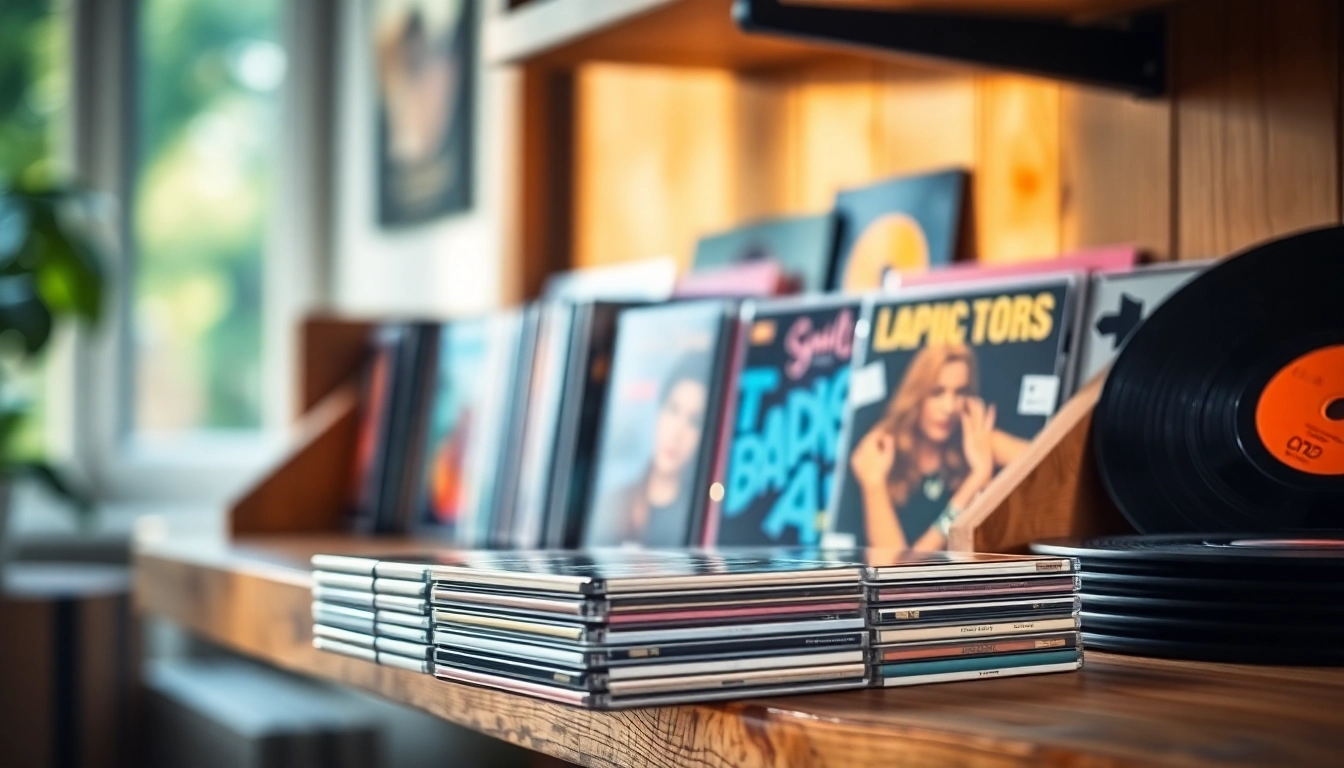
The evolution of audio technology has enriched our listening experiences, offering a plethora of formats through which we can enjoy our favorite music. Among these formats, the audio cd stands out for its unique blend of quality, convenience, and nostalgia. In this comprehensive guide, we will delve into the world of audio CDs—exploring their history, technical specifications, advantages over digital formats, methods for creation, marketplaces for buying and selling, and their future in the ever-changing music industry landscape.
Understanding the Audio CD: What It Is and How It Works
Definition and Historical Background of Audio CD
The audio CD, formally known as Compact Disc Digital Audio (CDDA), is a digital optical disc data storage format that was co-developed by Philips and Sony. Introduced in the early 1980s, the audio CD was designed to store and deliver high-quality sound, providing a significant upgrade from the analog formats of the past. Its arrival marked a paradigm shift in how music was produced, distributed, and consumed. The standard audio CD typically holds up to 80 minutes of uncompressed digital audio, making it an ideal medium for album releases and collections of musical tracks.
Technical Specifications of Audio CD Formats
Audio CDs adhere to a standardized format that allows for efficient data storage and playback. The discs themselves are 12 centimeters in diameter and can store approximately 700 MB of data or 80 minutes of audio. This audio is encoded in Pulse Code Modulation (PCM) at a bit rate of 1,411 kbps (kilobits per second), ensuring that listeners experience high fidelity sound without compression artifacts. They utilize a reading technology known as LaserDisc, which employs lasers to read the data encoded in the form of tiny pits on the disc surface.
How Audio CD Differs from Other Disc Formats
Audio CDs differ from other formats, such as data CDs or MP3 CDs, primarily in their intended use and sound quality. Data CDs can contain various file types and are often compressed to save space, leading to potential loss of audio fidelity. In contrast, the audio CD maintains the original recordings in an uncompressed format, delivering superior sound quality. Additionally, unlike MP3 CDs which may store multiple albums worth of music, audio CDs focus on providing a single compilation in the best possible quality, catering particularly to audiophiles and music enthusiasts.
Benefits of Using Audio CD Over Digital Formats
Sound Quality Advantages of Audio CD
One of the most compelling reasons to choose an audio CD over digital formats is the unparalleled sound quality. Audio CDs deliver a depth of sound that digital formats often fail to replicate due to compression. The 16-bit depth and 44.1 kHz sampling rate employed by audio CDs result in crystal-clear audio reproduction that captures the nuances of recordings. This resonates especially with audiophiles who appreciate the immersive experience that well-produced music offers.
Longevity and Durability of Audio CD
In terms of physical durability, audio CDs have a significant advantage over digital files stored on hard drives or streaming services that may vanish over time due to file corruption or service discontinuation. With proper care, audio CDs can endure years of usage without degradation. They are less susceptible to environmental factors like humidity and temperature fluctuations that can affect digital storage devices, making them a reliable choice for music collectors.
The Nostalgic Appeal of Audio CD in Music Collecting
The audio CD also holds a sentimental value for many music lovers. The tactile experience of holding a physical disc, flipping through album art, and sifting through a collection is a cherished ritual for fans of music collecting. This nostalgia strengthens the emotional connection to the music itself, an aspect that is often lost in the abstract world of digital streaming. For many, the audio CD represents more than just a medium; it holds memories and moments intertwined with their favorite songs.
How to Create Your Own Audio CD
Choosing the Right Tools for Audio CD Creation
Creating your own audio CD can be a rewarding project, allowing you to customize playlists paired with personalized artwork. To begin, you will need the right tools:
- CD Burning Software: Programs like Nero, Ashampoo, or ImgBurn are among the popular choices that enable you to create audio CDs from your music files.
- Blank Audio CDs: Make sure to select high-quality CD-Rs specifically designed for audio burning, as they offer better compatibility with CD players.
- MP3 or WAV Files: Have your music files ready in a compatible format. WAV files are preferred for their audio fidelity.
Steps to Burn Music onto an Audio CD
Burning music onto an audio CD is a straightforward process. Here’s a step-by-step guide to assist you:
- Install Your CD Burning Software: Download your chosen software from a trustworthy site and follow the installation instructions.
- Create a New Project: Open the software and select the option to create a new audio CD project.
- Add Music Files: Import the music files you wish to include. Double-check the order of the tracks for your desired listening experience.
- Final Adjustments: Confirm the total time does not exceed 80 minutes, and modify track titles as needed for display.
- Burn the CD: Insert your blank CD-R, select the burn option, and wait for the process to complete.
- Label Your Disc: Consider labeling your CD or creating custom artwork to enhance your personal creation.
Tips for Designing Custom Audio CD Covers
A unique cover can greatly enhance your audio CD’s appeal. Here are some tips to consider:
- High-Quality Images: Select images that resonate with the music and represent the aesthetic you want to convey. Use high-resolution files for clarity.
- Include Track Listings: Don't forget to add the list of songs included on the CD, alongside the artists’ names which engages the listener more.
- Creative Fonts and Colors: Choose font styles and colors that stand out but also complement the artwork to create an inviting cover.
- Print on Quality Paper: If you’re designing a printed cover, use quality card stock to ensure durability.
Where to Buy and Sell Audio CDs Online
Popular Platforms for Purchasing Audio CD
For those looking to expand their collections, numerous platforms facilitate the purchase of audio CDs online. Websites dedicated to music collections often offer extensive database searches, allowing users to find specific albums or discover new artists.
Some popular platforms include:
- Online Music Retailers: Many retailers specialize in CDs across various genres, allowing easy access to both new releases and classic hits.
- Auction and Marketplace Websites: These platforms let individual sellers offer both new and used audio CDs, while buyers can find elusive titles.
- Local Record Stores Online: Many local stores now offer online ordering, giving patrons the chance to support small businesses while acquiring music.
How to Evaluate Audio CD Condition When Buying Used
When purchasing used audio CDs, it's essential to assess their condition. Here are some factors to consider:
- Visual Inspection: Check for scratches, scuffs, or any surface damage. Minor superficial scratches may not affect playback, but deep scratches might.
- Test Before You Buy: If possible, listening to the CD beforehand can help you make an informed decision about its playability.
- Check for Completeness: Ensure that the CD comes with its original jewel case and artwork, as these significantly add to its collectible value.
Tips for Selling Your Audio CD Collection
For those looking to part ways with their audio CD collection, here are key strategies to maximize your profits:
- Research Market Value: Look online to find the selling prices of similar CDs to understand market rates.
- Provide Clear Descriptions: Include details about the condition of the CD, any unique features, and high-quality images in your listings.
- Consider Bulk Discounts: When selling larger collections, offering a discount for bulk purchases can attract more buyers.
The Future of Audio CD in the Music Industry
Current Trends in Audio CD Production and Sales
Despite the rise of digital formats, the audio CD continues to hold its ground within the music industry. Sales data indicate a steady market for audio CDs, particularly for collectors and enthusiasts. As independent artists gain recognition, many choose to release their music on audio CDs to reach audiences that still value physical media.
Furthermore, the vinyl revival has sparked renewed interest in audio CDs, as collectors seek to own physical copies of their favorite music in multiple formats, bridging old and new media.
How Streaming Services Impact Audio CD Popularity
While streaming services have certainly disrupted CD sales by providing instant access to vast music libraries, they have also fostered a renewed interest in physical formats among audiophiles who appreciate the sound quality and tactile experience of owning music. This duality can coexist, with streaming serving as a promotional tool that sparks interest in artists’ physical albums.
Revival of Vinyl and Its Effect on Audio CD
The recent surge in vinyl popularity has brought forth a resurgence in the appreciation of analog formats, indirectly benefiting audio CDs. Many collectors who venture into vinyl often seek to complement their collections with audio CDs. Thus, both formats have found a place in the hearts of consumers who cherish the physicality of music.
In conclusion, the audio CD remains an essential and cherished format in the ever-evolving landscape of music. By understanding its history, technical specifications, and presence in the market, one can appreciate the audio CD not just as a medium, but as a timeless artifact of musical culture.