Understanding Our Children's Vision: A Comprehensive Guide
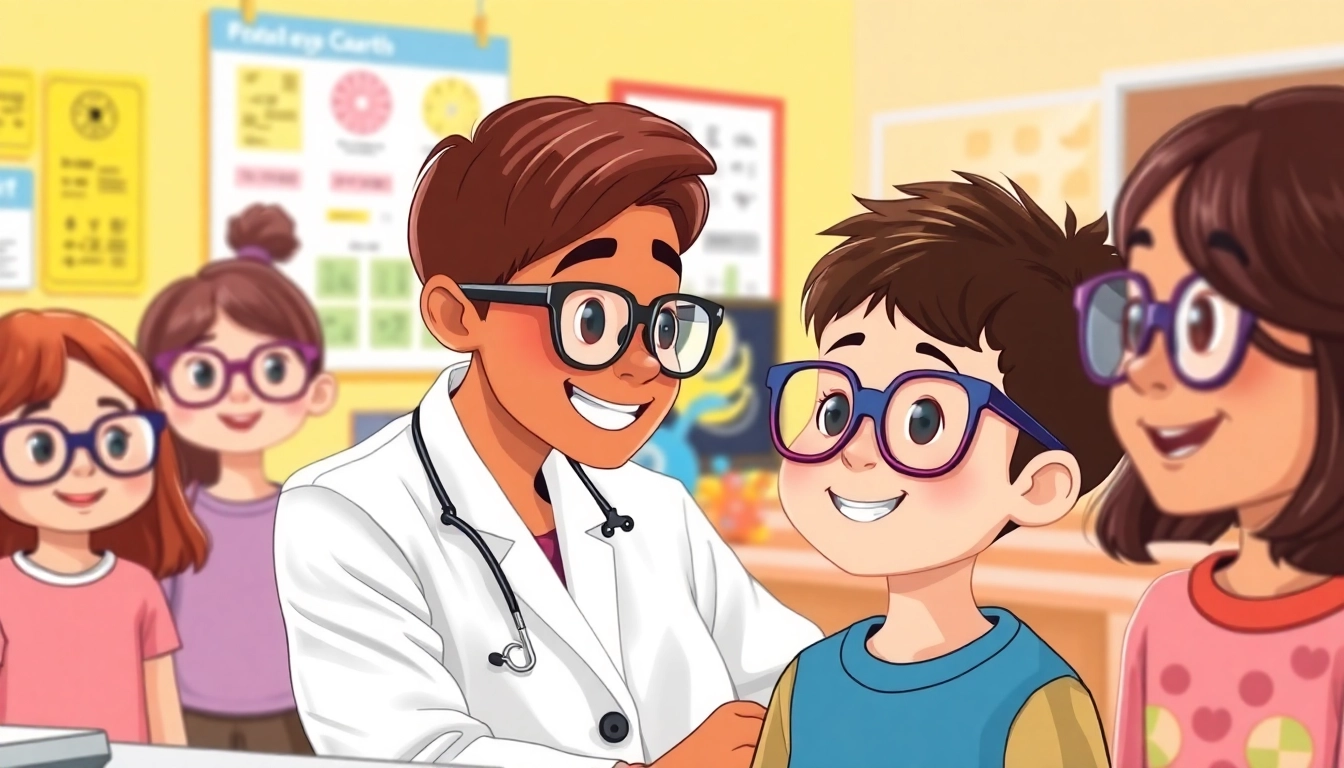
Vision is an essential aspect of childhood development, playing a pivotal role in education, social interaction, and overall well-being. However, millions of children worldwide face vision impairment due to inadequate access to eye health services. In this context, Our Children's Vision serves as a global initiative dedicated to improving children's eye health. This article delves into the various dimensions of this initiative, exploring its goals, challenges, and strategies designed to enhance children's vision care.
What is Our Children's Vision?
Understanding the Initiative
Our Children's Vision is a collaborative movement seeking to unify efforts globally to ensure sustainable and effective eye health initiatives cater to children and adolescents. It emphasizes bridging the gap between existing services and the increasing need for improved child vision care. The initiative is characterized by its focus on community engagement, partnerships with various stakeholders, and a commitment to fostering awareness related to children's eye health.
Goals and Objectives
The primary goals of Our Children's Vision include:
- Increasing access to quality vision care services for children in underserved populations.
- Raising awareness about the importance of regular eye exams and early detection of vision problems.
- Advocating for policies that safeguard children's eye health at national and international levels.
- Collaborating with healthcare providers, non-profit organizations, and educational institutions to promote comprehensive eye health services.
Why Eye Health Matters
Proper vision is critical for a child's educational success and overall quality of life. Vision plays a vital role in developing cognitive abilities, motor skills, and social interactions. Poor vision can lead to learning difficulties, social isolation, and reduced self-esteem. As such, prioritizing children's eye health is essential in building a healthier future generation.
Key Challenges in Children's Eye Care
Access to Vision Care Services
Despite advancements in healthcare, access to vision care services remains a significant challenge for many children, particularly in low-income or rural areas. Various barriers contribute to this issue, including lack of awareness among parents, limited availability of eye care professionals, and financial constraints that prevent families from seeking routine eye examinations.
Common Eye Health Issues in Children
Several eye health concerns frequently affect children, ranging from refractive errors such as myopia and hyperopia to more severe conditions like amblyopia and strabismus. Unfortunately, many of these issues can go undiagnosed without regular eye screenings, leading to long-term impacts on a child's development and learning capability.
The Role of Education and Awareness
Education is a fundamental pillar in addressing the challenges surrounding children's eye health. By equipping parents, educators, and healthcare providers with knowledge about common vision problems and the need for regular screenings, initiatives like Our Children's Vision can help create a more informed public, ultimately leading to improved eye health outcomes.
Strategies for Improving Children's Vision
Community Involvement and Support
Community engagement plays a critical role in the success of Our Children's Vision. By mobilizing local organizations, schools, and community leaders, the initiative fosters a sense of ownership and responsibility towards children's health. Efforts might include organizing community events focused on vision screening, eye health education, and distributing resources that inform families about available eye care services.
Partnerships with Healthcare Providers
Building strong partnerships with healthcare providers is vital for ensuring a continuum of care for children. Collaborations may involve training pediatricians and family doctors to conduct preliminary vision screenings and refer children to eye specialists as necessary. By integrating eye care into primary health services, the initiative can optimize accessibility and effectiveness.
Advocating for Policy Changes
Policy advocacy is a cornerstone of promoting children's eye health at the systemic level. Our Children's Vision works to influence policy changes that support coverage for eye exams, increased funding for vision health programs, and the establishment of practices ensuring every child receives adequate eye care. Advocating for legislation that prioritizes children's health can lead to far-reaching positive effects on their well-being.
Best Practices for Eye Care Monitoring
Regular Vision Screenings
Conducting regular vision screenings is one of the most effective practices for identifying potential eye health issues in children early on. Protocols should be in place to ensure that screenings are integrated into routine health check-ups, especially in school settings. These screenings can serve as an early line of defense, facilitating prompt interventions when necessary.
Recognizing Symptoms of Vision Problems
Parents and caregivers must be aware of symptoms that may indicate vision problems in children, such as difficulty concentrating, squinting, or frequent headaches. Educating families about these signs encourages them to seek professional evaluations as needed, fostering a proactive approach to eye health.
Engaging Families in Eye Care
Engaging families in the process of eye care management is crucial for instilling good practices among children. This includes discussing the importance of eye health regularly, setting reminders for appointments, and enriching their knowledge through resources like brochures or community workshops. By involving families actively, the potential for improved outcomes increases significantly.
Future Directions for Our Children's Vision
Setting Long-term Goals
Our Children's Vision aims to set ambitious long-term goals that are responsive to the evolving needs of children's eye health globally. These goals will likely include reducing the incidence of vision impairment, increasing the number of children receiving eye care, and ensuring that eye health becomes a central component of child health services overall.
Innovative Practices in Pediatric Eye Care
As technology continues to advance, innovative practices in pediatric eye care will emerge. This includes telemedicine solutions for remote consultations, mobile eye clinics, and advancements in diagnostic tools that make screenings more accessible and efficient. Investing in research and development within the eye health sector will be critical in shaping the future of children's vision care.
Measuring Impact and Success
To ensure continuous improvement, it is vital for Our Children's Vision to implement robust metrics to measure its impact and success. This can encompass monitoring the number of children screened, improvement in detected eye conditions, and gauging community awareness levels regarding children's eye health. Evaluating these parameters will help refine strategies and identify areas for ongoing improvement.
Our Children's Vision is a monumental initiative that speaks to the need for collective action in safeguarding children's eye health. By addressing challenges, implementing effective strategies, and fostering awareness, we can pave the way for a future where every child has the vision care they deserve.