Understanding Steel Structure Design Fundamentals
Steel structure design is a critical facet of modern architecture and construction engineering, blending functionality, safety, and aesthetic appeal. As we delve into the complexities of this discipline, it's essential to establish a solid foundation in the fundamental concepts that underpin efficient and effective steel structure design.
Components of Steel Structures
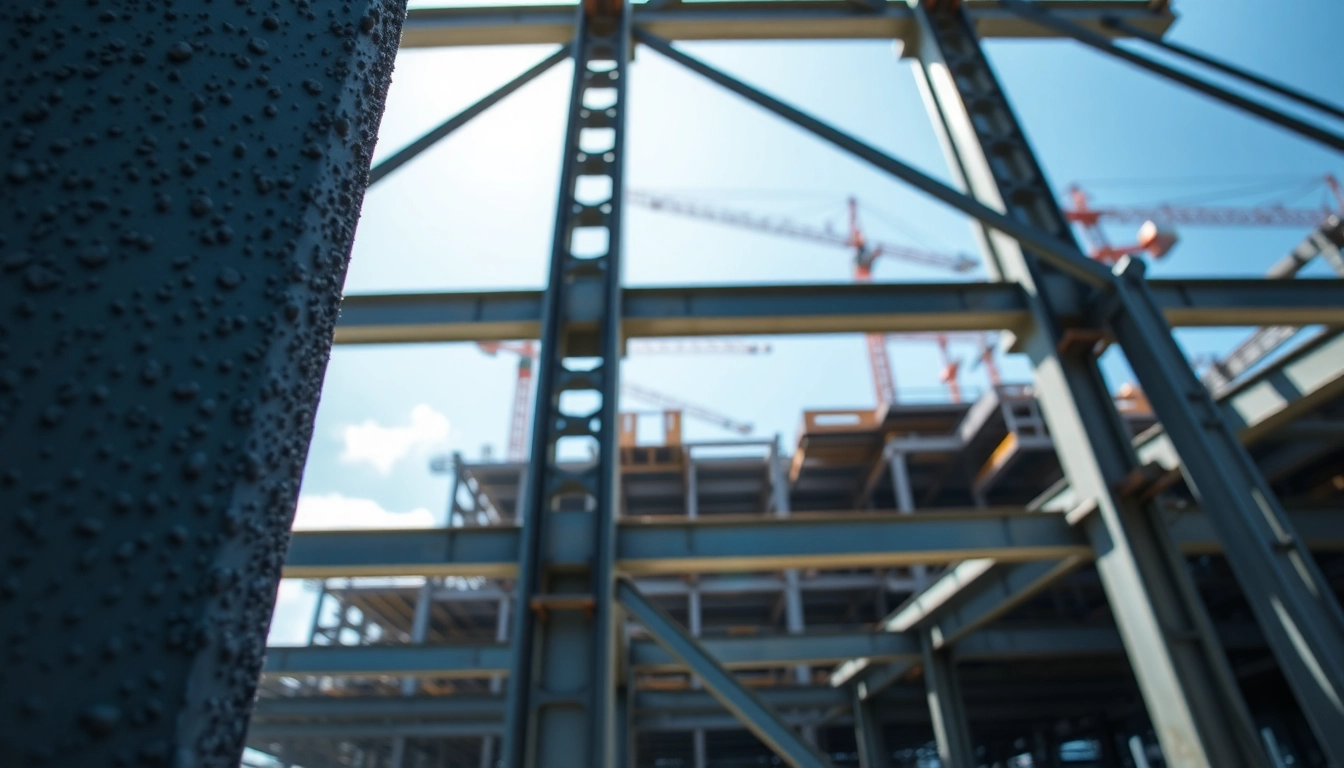
At the heart of any steel structure lies a combination of key components that work together to form a cohesive whole. The primary elements include:
- Beams: These horizontal members primarily resist bending forces. Common types include I-beams, C-channels, and hollow structural sections.
- Columns: Vertical members designed to transfer loads from the structure above down to the foundation. They also play a vital role in lateral stability.
- Bracing: Used to stabilize structures against lateral forces such as wind or seismic activity, usually made from diagonal members connecting beams and columns.
- Connections: Welded, bolted, or riveted joints that unite various members and are crucial to maintaining structural integrity.
The selection and arrangement of these components depend heavily on the specific requirements and use case of the building being designed.
Load-Bearing Calculations
Understanding loads is fundamental to successful steel structure design. Loads can be categorized into various types:
- Dead Loads: These are permanent static forces acting on a structure, such as the weight of the steel itself, roofing, and permanent fixtures.
- Live Loads: Temporary and dynamic forces, including people, furniture, equipment, and environmental factors such as snow or rain.
- Environmental Loads: Wind loads and seismic loads constitute significant forces that must be factored into design calculations.
Engineers utilize various methodologies and codes to ensure that structures can safely support these loads throughout their lifespans. Finite element analysis is one such powerful tool that allows for detailed modeling of how loads are distributed across a structure.
Material Selection Considerations
Choosing the right materials is pivotal in steel structure design, as it directly affects durability, strength, and overall performance. key considerations include:
- Steel Grade: Different grades of steel have varying strengths and ductility, affecting how they respond to loads and environmental factors.
- Corrosion Resistance: Environments with high humidity or exposure to chemicals may necessitate protective coatings or the use of stainless steel.
- Cost and Availability: Budget constraints and supply chain factors can dictate material choices.
Overall, material selection should align with the intended use of the structure, expected lifespan, and environmental conditions.
Key Design Principles for Steel Structure Design
Once the fundamentals are established, mastering key design principles will enhance the effectiveness and longevity of steel structures. These principles guide the balance between safety, functionality, and aesthetics in steel structure design.
Importance of Structural Integrity
Structural integrity ensures that a building performs its intended function without failure throughout its lifespan. Adhering to relevant building codes and regulations is essential, as they are designed to mitigate the risk of structural failure. Additionally, continuous load testing and routine inspections can help maintain structural integrity long after construction is completed.
Designing for Workflow Efficiency
Designing steel structures with workflow efficiency in mind entails careful consideration of the layout and flow of space. Factors affecting workflow efficiency include:
- Functionality: Spaces should be designed according to their intended use, facilitating ease of movement and accessibility.
- Flexibility: Structures should offer adaptability for future changes in use or layout.
- Assembly: Streamlined design can simplify construction processes, reducing time and labor costs.
By accounting for workflow in the initial design phase, architects and engineers can create spaces that enhance productivity and user satisfaction.
Balancing Aesthetic and Practical Aspects
In modern architecture, aesthetic appeal is paramount. Designers must find a balance between striking visual elements and the practical demands of steel structure design. Innovative design techniques such as:
- Exposed Steel: Highlighting the structural framework can create an industrial chic look while showcasing engineering prowess.
- Creative Lighting: The use of strategic lighting can emphasize structural features while enhancing the occupants' experience.
Ultimately, integrating aesthetics with functionality leads to structures that are not only functional but also visually striking.
Innovative Techniques in Steel Structure Design
As technology evolves, so do the techniques utilized in steel structure design, pushing the boundaries of what is possible in construction. This section highlights some of the most innovative approaches currently shaping the industry.
Advanced Modeling and Simulation Tools
Modern engineering relies heavily on advanced modeling and simulation software, allowing designers to create complex models of structures before they are built. Tools like Building Information Modeling (BIM) can facilitate collaboration between architects and engineers, reduce errors in design, and optimize the construction process through virtual simulations.
Sustainable Design Practices
In light of increasing environmental concerns, sustainable design practices have become imperative in steel structure design. Key strategies include:
- Use of Recycled Materials: Utilizing recycled steel can lower the environmental impact and energy consumption associated with new material production.
- Energy Efficiency: Incorporating energy-efficient systems during the design phase can lead to significant reductions in energy consumption over the structure’s lifespan.
- Life Cycle Assessment: Evaluating the environmental impact of materials and design decisions throughout a structure’s life can inform better choices.
With a commitment to sustainable practices, the construction industry can reduce its carbon footprint and promote ecological stewardship.
Integration of Smart Technologies
The integration of smart technologies into steel structures is revolutionizing the field. Building Management Systems (BMS), sensors, and IoT devices allow for real-time monitoring of structural health, energy usage, and environmental conditions. This data-driven approach optimizes operation and maintenance, enhancing the longevity and efficiency of the building.
Challenges in the Steel Structure Design Process
Despite the advancements in techniques and technology, challenges remain in the steel structure design process. Identifying and addressing these challenges is crucial for successful project completion.
Addressing Common Design Flaws
Design flaws can lead to costly alterations, delays, or even structural failure. Common issues include:
- Inadequate Load Analysis: Failing to account for all loads applied to a structure can lead to catastrophic failures.
- Poor Connection Design: Weak connections can undermine the entire structure's stability, especially under dynamic loads.
Rigorous peer reviews and utilization of simulation tools can help mitigate these risks and enhance the overall design quality.
Navigating Regulatory Compliance
Steel structure designs must comply with numerous regulatory standards and building codes. Understanding local, state, and federal regulations is critical to avoiding legal challenges and ensuring public safety. Establishing a proactive relationship with regulators early in the design phase streamlines the approval process
Dealing with Environmental Impact
Construction activities invariably impact the surrounding environment, from noise pollution to habitat destruction. Conducting thorough environmental assessments and community engagement helps to identify potential issues early and promotes responsible development practices.
Future Trends in Steel Structure Design
Looking ahead, the landscape of steel structure design is poised for transformation. Emerging trends promise to enhance the effectiveness and efficiency of steel structures.
Emerging Materials and Technologies
Continuous innovation in material science is leading to the development of ultra-high-performance steels (UHPS) and composite materials that offer higher strength and lower weights. This evolution allows for more ambitious and creative designs while optimizing performance.
Trends Towards Modular Construction
Modular construction is gaining traction due to its advantages in reducing construction time and minimizing waste. By prefabricating components off-site, builders can streamline assembly and often improve quality control.
Global Innovations in Structural Engineering
The global landscape is rich with innovations in structural engineering, from advanced seismic-resistant designs to cutting-edge technologies that optimize energy efficiency and durability. By keeping abreast of international trends, engineers can incorporate best practices from around the world into local projects.
This article addresses essential aspects of steel structure design, providing valuable insights for architects, engineers, and construction professionals looking to stay at the forefront of industry trends and techniques.