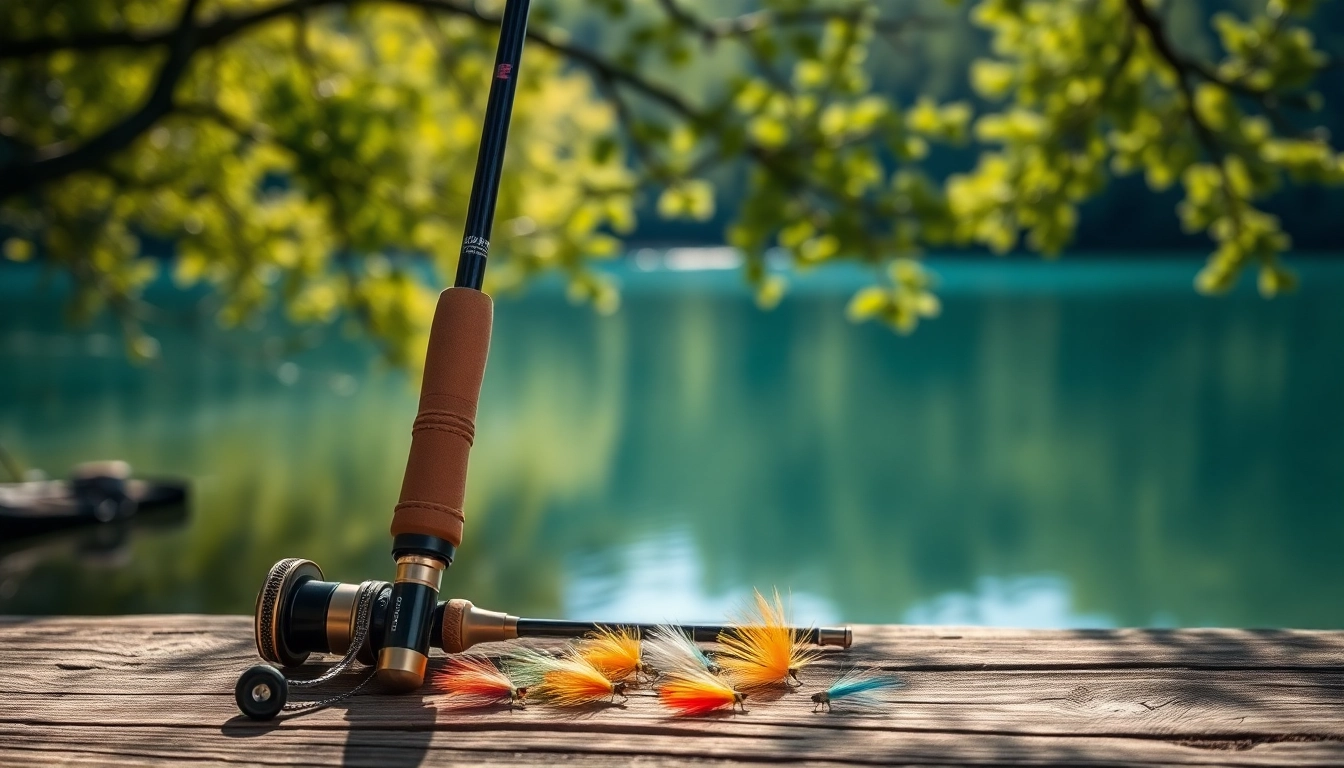
Understanding the Basics of a Fly Fishing Kit
For those stepping into the world of angling, a fly fishing kit serves as the cornerstone of a successful fishing experience. Whether you are a seasoned angler or a beginner, understanding the core components of a fly fishing kit is essential for maximizing your fishing endeavors. This guide aims to provide detailed insights into the components of a fly fishing kit as well as tips on how to choose the right gear tailored to your fishing needs.
What is a Fly Fishing Kit?
A fly fishing kit typically refers to a complete ensemble of equipment needed for fly fishing, which includes a fly rod, reel, line, leader, tippet, and flies. While the exact contents may vary depending on the manufacturer or specific kit, the primary purpose remains the same: to equip anglers with everything necessary to start casting and catching fish using the fly fishing technique. Understanding the nuances of each element is crucial, as it significantly influences your effectiveness on the water.
Key Components and Their Functions
The fly fishing kit consists of several key components, each playing a vital role in the overall functionality of the gear. Below are the essential elements typically included:
- Fly Rod: The flexible rod used for casting flies.
- Fly Reel: A device that stores the line and helps in retrieving the fish.
- Fly Line: This specialized line helps in casting the fly towards the fish, varying in weight and type.
- Leader and Tippet: These sections of transparent line connect the fly to the fly line and help present the fly delicately on the water's surface.
- Flies: Lures designed to imitate the food sources of fish, available in various patterns and sizes.
Importance of Choosing the Right Kit
Selecting the right fly fishing kit is paramount to your success as an angler. The right equipment not only enhances your casting ability but also increases your chances of catching fish. In addition, a well-selected kit can provide a more enjoyable fishing experience, reducing frustration that often stems from inadequate gear. It's crucial to analyze your fishing environment and personal preferences before making a purchase.
Choosing the Right Fly Rod for Your Kit
Understanding Rod Action and Length
The action of a fly rod specifies how much flexibility it has, affecting its performance during casting. Fly rod action can be categorized into three types: fast, medium, and slow. Fast action rods bend primarily at the tip and are suitable for long-distance casting. Medium action rods offer a balance, and slow action rods bend throughout, which provides more control and better sensitivity for beginners. Additionally, the length of the rod can impact casting distance and accuracy.
Types of Fly Rods: Graphite vs. Bamboo
When selecting a fly rod, you will primarily face the choice between graphite and bamboo. Graphite rods are more popular due to their lightweight and durability, making them easier to handle for lengths of time. Bamboo rods, on the other hand, offer a unique aesthetic and can provide an enjoyable casting experience, albeit generally at a higher price point. Each type has its own specific advantages and caters to different styles of fishing.
Matching Your Rod to Fishing Conditions
Understanding the fishing conditions is vital when selecting the appropriate rod. If you're fishing in smaller streams or tight spaces, a shorter rod can offer better maneuverability. Conversely, when fishing in larger rivers or open waters, a longer rod may provide better casting distance and line management. Additionally, consider the species you're targeting, as different fish require different techniques and equipment.
Selecting the Best Fly Reel
How Fly Reels Work and Their Importance
Fly reels are essential for managing the fly line during fishing. They serve two primary functions: storing the line when you're casting and providing necessary resistance during the fight with the fish. The drag system in a fly reel allows you to adjust resistance based on the size and strength of the fish. Understanding how these mechanisms work helps in choosing the right reel for your kit.
Choosing the Right Fly Reel Size
Fly reels come in various sizes, each designed to accommodate different line weights. Choosing the right size is crucial for ensuring smooth line retrieval and proper balance with your fly rod. A general rule of thumb is to match your reel’s size to the weight of the rod or line you will be using. For example, a 5-weight rod pairs well with a reel rated for 5-weight line to maintain optimal performance.
Maintenance Tips for Your Fly Reel
Proper maintenance of your fly reel can extend its lifespan significantly. Regularly clean the reel after each trip, especially if you've fished in saltwater, as salt can corrode the mechanisms. Inspect the drag system and lubricate any moving parts to ensure they operate smoothly. Storing your reel in a protective case can prevent accidental damage while not in use.
Essential Flies and Their Uses
Types of Flies for Different Species
Flies come in various designs and serve different purposes based on the target fish species. For instance, dry flies are intended to float on the surface and mimic insects, while nymphs and streamers are submerged flies designed to imitate aquatic life. Understanding the dietary habits of the fish you're targeting can help you select the right flies for your kit.
How to Match Flies to Water Conditions
The effectiveness of a fly also depends on the water conditions. In clear water, more natural and subtle presentations should be employed, while murkier conditions may require brighter, more visible flies. Variations in water temperature can also affect fish behavior; hence, adjusting your fly selection accordingly can lead to better results.
Creating Your Own Fly Selection
Building your own fly selection allows you to tailor your kit exactly to your fishing preferences and conditions. Start by understanding the common insects and baitfish in the waters you'll be fishing. You can then select flies in patterns and colors that mimic these species. Keeping a well-stocked fly box with various options can prove beneficial, particularly for changing conditions.
Advanced Tips for Utilizing Your Fly Fishing Kit
Casting Techniques for Success
Mastering casting techniques can tremendously influence your fly fishing success. The foundational techniques involve overhead casting, roll casting, and double hauling. Adequate practice will improve your precision and distance. Additionally, understanding how to read the wind and adjust your cast accordingly can enhance your effectiveness on the water.
Reading Water to Find Fish
Being able to read the water is a skill that can greatly enhance your chances of landing fish. Look for signs such as ripples indicating feeding fish or deeper pools where fish may seek refuge. Pay attention to current patterns as well, as they can indicate where fish are likely to be located. Developing this skill takes time and observation, but it can lead to significant improvements in your fishing outcomes.
Strategies for Various Fishing Environments
Different environments require tailored strategies for successful fishing. For instance, fishing in lakes may necessitate a different approach than fishing in rivers. In lakes, consider the depth and structure; while in rivers, focus on currents and eddies. Adjusting your technique, fly selection, and strategy based on the environment you’re in is crucial to success in the varied landscape of fishing.
This comprehensive guide aims to equip both new and experienced anglers with the knowledge necessary to select, use, and maintain a fly fishing kit effectively. By understanding the intricacies of each component and employing strategic fishing techniques, you can turn your fly fishing outings into successful and enjoyable experiences. Happy fishing!