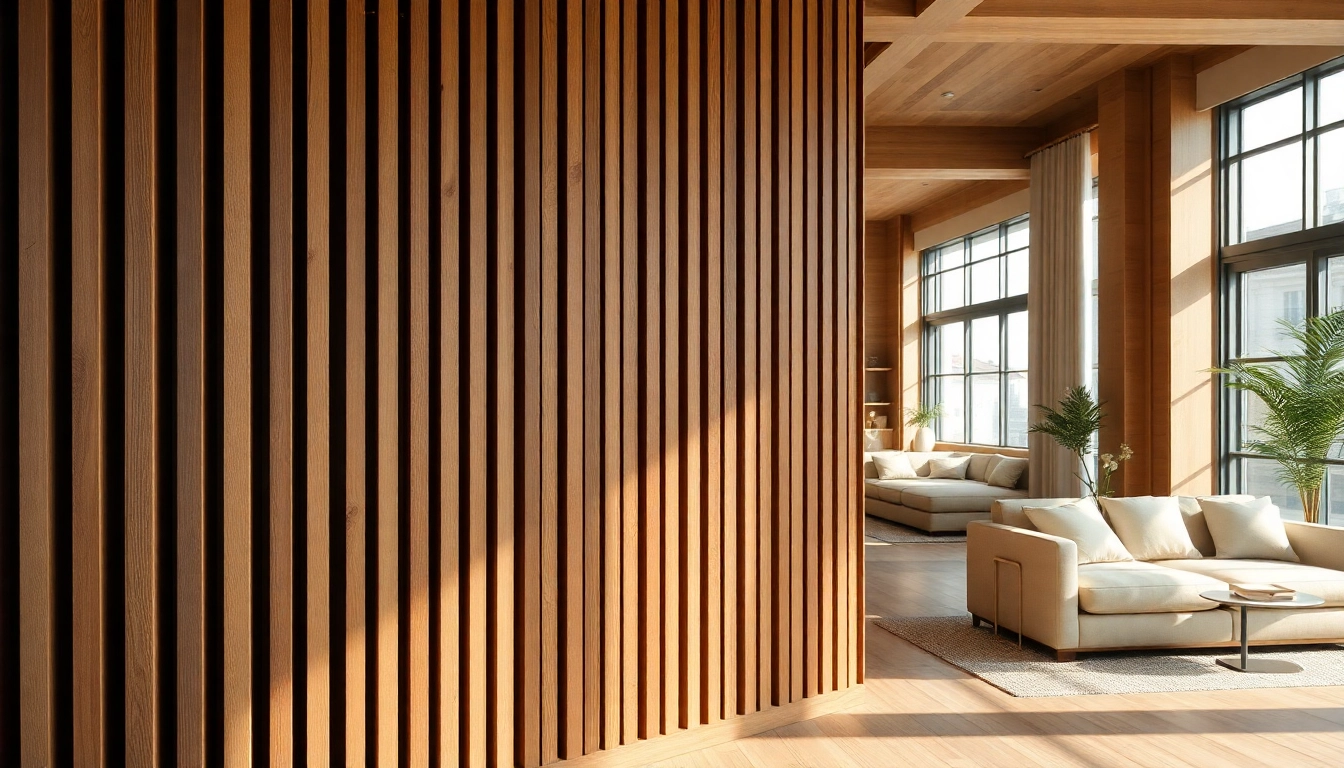
Introduction to Wood Slat
Wood slat design has become increasingly popular in the realm of architecture and interior design, providing a unique aesthetic that blends warmth with modernity. The versatility of wood slat allows it to be implemented in various applications, from walls and ceilings to furniture and exterior facades. As we delve deeper into this versatile material, you will appreciate not only its beauty but also its functionality and sustainability.
What is Wood Slat?
Wood slat refers to thin strips of wood that are commonly used in construction and design to create an array of aesthetic effects. These strips can vary in width, thickness, and material type. Typically arranged parallel to each other, wood slats offer design options ranging from minimalist to elaborate patterns. Their structural properties can provide rigidity and support, making them suitable for both functional and decorative applications.
Historical Significance of Wood Slat
The use of wood slats in design has a storied history that spans centuries. Wood has long been favored for its natural beauty and versatility, with ancient civilizations utilizing it for structures, furniture, and decorative elements. In the 20th century, wood slat design gained prominence within modernist architecture, emphasizing simplicity and open spaces. Today, it continues to evolve, influenced by trends in sustainability and craftsmanship.
Benefits of Using Wood Slat in Design
Implementing wood slats in design offers a plethora of benefits. First and foremost, they contribute to an inviting atmosphere, imparting warmth and texture to spaces. Additionally, wood slats can enhance acoustics by absorbing sound, making them perfect for environments like offices and auditoriums. They are also incredibly adaptable, fitting seamlessly into various styles, from rustic to contemporary, thereby making them an enduring choice for designers and architects.
Types of Wood Slat Materials
Natural Wood Slat
Natural wood slats are crafted from various species of trees, each offering unique grain patterns, colors, and characteristics. Oak, maple, walnut, and pine are popular choices, each bringing different aesthetics and qualities. Natural wood can be treated with stains or finishes to enhance its durability while highlighting its intrinsic beauty. This option is particularly valuable for projects aiming for a warm, organic feel.
Composite Wood Slat
Composite wood slats are engineered materials created from a blend of wood fibers and plastic. They are designed to mimic the appearance of natural wood while providing enhanced durability and resistance to environmental elements. This makes them an ideal choice for outdoor applications, such as decking and siding, while also being low-maintenance. Composite slats often come in a variety of colors and textures, offering designers flexibility without compromising aesthetics.
Sustainable Alternatives for Wood Slat
With the growing focus on sustainability in design, alternative materials, such as bamboo and reclaimed wood, have gained traction. Bamboo slats are an excellent choice due to bamboo's rapid growth and renewability. Reclaimed wood, sourced from old barns, factories, or furniture, not only enhances the ecological footprint but also adds character and history to a space. Both options offer a unique look while promoting environmentally responsible practices in construction.
Design Applications for Wood Slat
In Interior Design
Wood slats are incredibly versatile in interior design. They can be utilized to create stunning accent walls that become focal points in a room. Designers often use wood slats to define spaces, such as separating living areas from dining spaces without the use of walls, offering an open yet structured feel. Slats can also be incorporated into ceilings, providing visual interest and the illusion of height. Their natural beauty pairs well with various color palettes, making them adaptable to any style.
In Exterior Spaces
Wood slats are equally effective in outdoor design. They can be employed in fencing, decking, and pergolas, providing an organic, inviting feel to gardens and patios. The use of wood slats in exterior applications not only adds visual appeal but also offers privacy without blocking natural light. Additionally, wood slat designs can enhance landscaping features, creating a harmonious balance between natural and built environments.
Commercial Use of Wood Slat
In commercial spaces, wood slats can elevate the design aesthetic while providing practical benefits. Restaurants, cafes, and retail spaces can take advantage of wood slats to create inviting atmospheres that encourage customer engagement. Using wood slats in acoustic panels enhances sound absorption, vital for busy environments. Moreover, branding opportunities arise when incorporating customized wood slat designs that reflect a business’s identity.
Installation Techniques for Wood Slat
Preparation and Planning for Wood Slat
A successful wood slat installation begins with thorough preparation and planning. First, it's essential to choose the right type of wood slat based on the application and environmental factors. Next, assess the space for measurements and select a layout—whether vertical, horizontal, or angled. Gathering the necessary tools, including cutting tools, fastening devices, and safety equipment, ensures a smooth installation process.
Step-by-Step Installation Guide
To install wood slats, follow these steps:
- Prepare the surface: Ensure the area is clean and dry.
- Measure and mark: Use a level to mark guidelines on the wall for alignment.
- Cut the slats: Using a saw, cut the wood slats to desired lengths.
- Attach the slats: Begin attaching slats from the bottom, using screws or adhesive, leaving equal gaps as desired.
- Install trim or finishing touches: Add any necessary trim pieces to complete the look.
Maintenance Tips for Wood Slat
Maintaining wood slats requires regular cleaning and inspection. Dust and debris should be wiped off periodically with a soft cloth. For natural wood slats, applying a protective finish every few years can help maintain their color and durability. Composite slats can usually be washed with soap and water. Additionally, it's essential to inspect for any signs of damage or wear, such as splitting or warping, to address issues promptly.
FAQs about Wood Slat Design
How do I care for my wood slat wall?
Clean dust with a soft cloth and apply protective finishes as needed. Regular upkeep helps maintain the appearance.
Can wood slat be used in humid environments?
Yes, but use treated wood or composite materials to resist moisture and prevent warping or mold growth.
What tools are needed for wood slat installation?
You will need a level, measuring tape, saw, drill, screws or adhesive, and a safety kit including goggles and gloves.
Are there fire safety concerns with wood slat?
Yes, untreated wood can be flammable. Treating with fire-retardant coatings or using certified materials can enhance safety.
Can I paint my wood slat?
Yes, wood slats can be painted. Use paint suitable for the type of wood and ensure proper surface preparation for the best results.