Understanding the Steel Fabrication Process
Introduction to Steel Fabrication Shop Operations
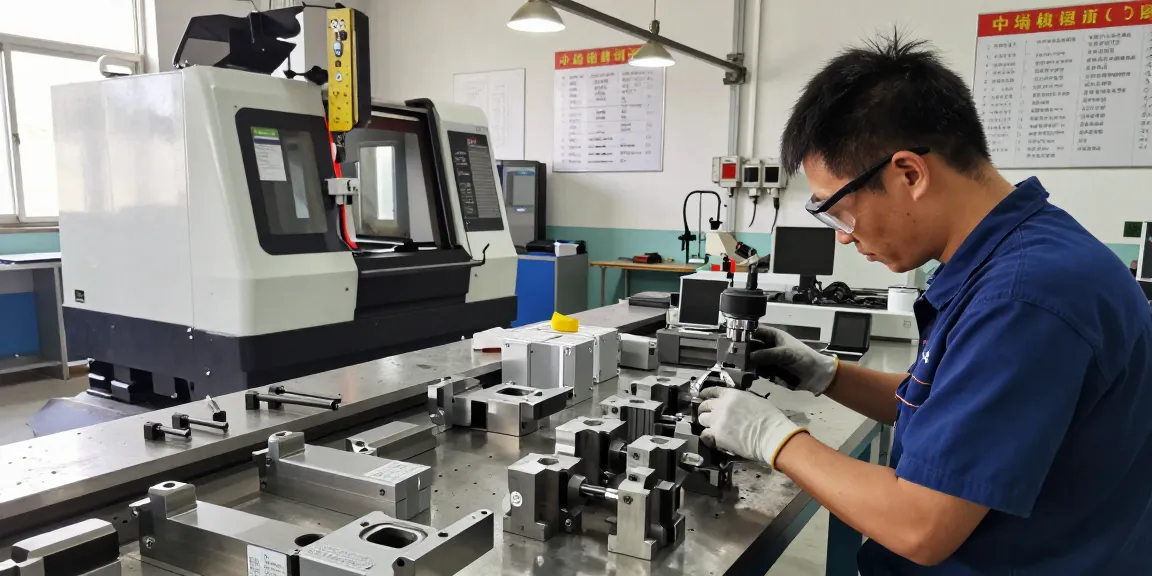
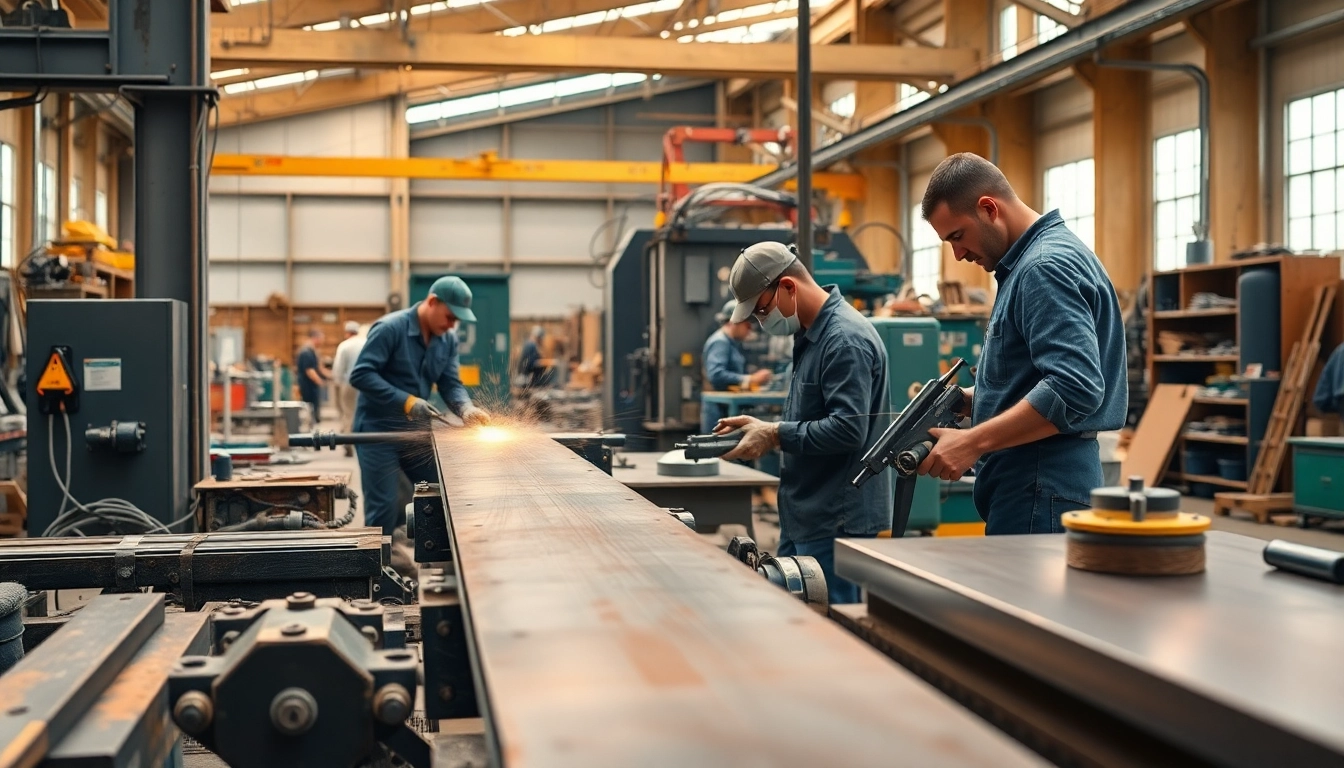
The steel fabrication shop operates as a critical hub where raw steel is transformed into structural components that serve various industries. This process includes cutting, shaping, and assembling steel into finished products tailored to specific engineering requirements. By grasping the fundamentals of steel fabrication operations, stakeholders can better appreciate the craftsmanship and technology behind each fabricated piece, ensuring quality and precision.
Key Equipment and Tools Used in Steel Fabrication
Steel fabrication shops utilize an array of specialized equipment to execute their tasks. Key machines and tools include:
- Plasma Cutters: These tools provide precise cuts for intricate shapes and designs without affecting the surrounding material.
- Laser Cutters: Known for their accuracy, laser cutters are ideal for high-precision applications and can handle complex geometries.
- Welding Machines: Essential for joining various steel parts, there are different types of welding methods used depending on the application, such as MIG, TIG, and Stick welding.
- Bending Machines: These devices enable fabricators to create curves and angles in steel, critical for structural components and aesthetics.
- Press Brakes: Used for bending metal sheets, they are vital for producing parts to required specifications.
- Robotic Systems: Increasingly utilized for automation, robotic systems enhance efficiency and consistency in welds.
Common Challenges Faced in Steel Production
Despite advancements in technology and equipment, steel fabrication shops encounter several challenges:
- Material Variability: Inconsistent quality of raw materials can lead to compromised product strength.
- Skilled Labor Shortage: Finding trained professionals with the necessary skills can be difficult, impacting productivity.
- Technological Integration: Integrating new technologies into existing workflows can pose challenges, requiring training and time to adapt.
- Regulatory Compliance: Keeping up with industry standards and regulations requires constant vigilance and adaptability.
- Inventory Management: Efficiently managing materials to avoid overstocking or delays can be a delicate balance.
Essential Skills for Steel Fabrication Professionals
Technical Skills Required in a Steel Fabrication Shop
Professionals in a steel fabrication shop must possess a varied skill set, including:
- Blueprint Reading: Understanding technical drawings and schematics is crucial for accurate cutting and assembly.
- Metallurgical Knowledge: Familiarity with different types of metals and their properties aids in selecting appropriate materials for projects.
- Welding Techniques: Mastery in various welding methods is necessary for high-quality joints and assemblies.
- Machine Operation: Proficiency in operating and maintaining fabrication equipment is vital for both safety and efficiency.
The Importance of Safety Training
Safety is paramount in a steel fabrication shop due to the inherent risks associated with heavy machinery and sharp tools. Ongoing safety training programs ensure that all employees are well-versed in:
- Proper use of personal protective equipment (PPE)
- Emergency response protocols
- Safe machine operation procedures
- Hazard recognition and risk assessment
Implementing a strong safety culture not only protects employees but can also reduce downtime and increase productivity.
Soft Skills that Enhance Teamwork and Efficiency
In addition to technical qualifications, soft skills play a crucial role in the success of a steel fabrication team:
- Effective Communication: Clear communication among team members ensures understanding and decreases the likelihood of errors.
- Team Collaboration: Successful fabrication projects often rely on a cohesive team approach, valuing each member's input and expertise.
- Problem-Solving: The ability to quickly identify issues and develop practical solutions fosters a proactive working environment.
- Adaptability: The fast-paced nature of fabrication projects requires employees to adapt to changing conditions and requirements.
Best Practices to Improve Operations
Streamlining Workflow in Your Steel Fabrication Shop
To increase productivity in a steel fabrication shop, employing efficient workflow strategies is essential:
- Lean Manufacturing Principles: Implementing lean techniques minimizes waste and optimizes resource use, improving overall efficiency.
- Workstation Organization: Organizing tools and materials logically reduces time lost searching for equipment, leading to a smoother operation.
- Regular Process Reviews: Routine evaluations of current practices help identify bottlenecks and areas for improvement.
- Cross-Training Employees: Providing multi-skilled training enables workers to fill various roles, enhancing flexibility during peak times.
Leveraging Technology for Better Outcomes
Incorporating modern technology can significantly enhance shop operations:
- CAD Software: Using computer-aided design tools allows for precise engineering and modifications before physical production.
- Inventory Management Systems: Digital systems improve material tracking, leading to efficient stock management and reduced costs.
- Automation: Investing in automated machinery can speed up processes and ensure consistent quality in repetitive tasks.
- Data Analytics: Utilizing analytics helps ensure targeted improvements, forecasting needs, and understanding production capabilities.
Quality Control Measures for Steel Products
Quality control is vital in the steel fabrication process to maintain product integrity and customer satisfaction. Here are some key quality control measures:
- Material Inspection: Conducting thorough inspections of incoming materials to ensure they meet specifications is critical.
- In-Process Monitoring: Regular checks during fabrication identify issues early, reducing rework and scrap.
- Final Product Testing: Comprehensive testing of finished products against quality standards confirms their readiness for use.
- Documenting Processes: Keeping detailed records of procedures and inspections helps trace quality control issues back to their source.
Real-World Applications of Fabricated Steel
Industries That Rely on Steel Fabrication
From skyscrapers to bridges, numerous industries depend on steel fabrication:
- Construction: Steel structures form the backbone of buildings, ensuring stability and aesthetic appeal.
- Aerospace: The aviation industry extensively uses fabricated steel components, which must meet rigorous safety and performance standards.
- Automotive: Steel fabrication provides essential parts for vehicle manufacturing, including frames and engines.
- Energy: Power plants and renewable energy installations rely on fabricated steel for structural and functional components.
Case Studies of Successful Steel Projects
Examining successful projects can provide valuable insights into best practices:
- High-Rise Buildings: Projects involving complex reinforced structures highlight how advanced techniques and teamwork lead to timely completion.
- Bridges: The construction of bridges demonstrates the importance of engineering design and precise fabrication in meeting safety requirements.
- Industrial Facilities: Large-scale manufacturing plants often showcase modular fabrication techniques, allowing for rapid assembly on-site.
Emerging Trends in Steel Use and Fabrication
The world of steel fabrication is evolving with the following trends:
- Sustainability: Increasing demand for eco-friendly practices is leading to more recycled materials in fabrication.
- Smart Fabrication: The integration of IoT technology enables real-time monitoring of equipment and processes, enhancing efficiency.
- Advanced Materials: Research into stronger and lighter materials allows for innovative applications in every sector.
Metrics for Measuring Success in Steel Fabrication
Key Performance Indicators for Your Steel Fabrication Shop
To gauge operational success in a steel fabrication shop, consider tracking these key performance indicators (KPIs):
- Production Volume: Measuring the amount of fabricated steel over time indicates overall shop efficiency.
- Defect Rate: Monitoring the number of defective products helps identify quality control issues.
- On-Time Delivery Rate: Evaluating how frequently projects meet their deadlines is essential for customer satisfaction.
- Workforce Productivity: Assessing hours worked versus output helps determine employee efficiency.
Assessing Quality and Efficiency Regularly
Regular assessments are crucial for maintaining quality and operational efficiency:
- Routine Audits: Conducting systematic audits on processes and output can reveal areas for improvement.
- Employee Feedback: Gaining insights from the workforce regarding workflow can uncover hidden efficiencies.
- Process Mapping: Visualizing workflows helps identify bottlenecks and streamline operations.
Customer Feedback as a Metric for Improvement
Listening to customers is essential in shaping future operations:
- Surveys: Regular customer satisfaction surveys help gather actionable feedback regarding fabricated products.
- Follow-Up Calls: Engaging with clients post-delivery can provide valuable insights into their experiences and expectations.
- Reviews and Ratings: Monitoring online reviews can reveal strengths and weaknesses from the customer perspective.