Understanding PPF Winter Road Salt Protection
As winter approaches, vehicle owners face a significant threat to their car's exterior: road salt. This compound is commonly used to melt ice and snow on roads, but it can wreak havoc on a vehicle’s paint and overall appearance. To combat these hazards, many car enthusiasts and everyday drivers are turning to PPF winter road salt protection, a specialized method that can safeguard against the detrimental effects of road salt. In this article, we’ll delve into what Paint Protection Film (PPF) is, how road salt impacts vehicles, and the numerous benefits of incorporating PPF this winter.
What is Paint Protection Film?
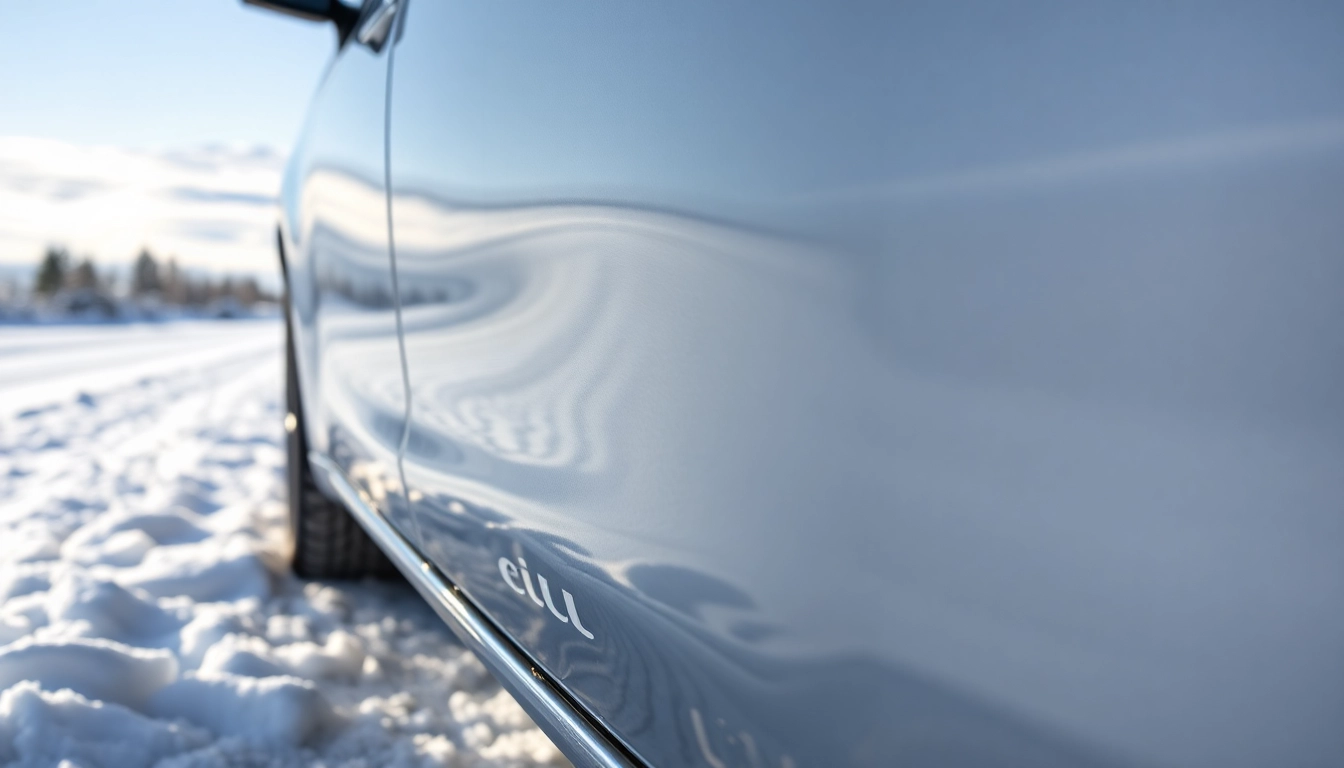
Paint Protection Film (PPF) is a high-performance, transparent film designed to shield a vehicle’s paint from various environmental hazards. Originally developed for military applications, PPF has gained popularity among car owners for its ability to resist scratches, chips, and chemical damage. Made from thermoplastic urethane, this resilient film forms a protective barrier over the vehicle's surface, effectively absorbing impacts that would otherwise harm the paint.
How Road Salt Affects Vehicle Appearance
Road salt, primarily composed of sodium chloride, is essential for maintaining safety on icy roads. However, it can lead to significant issues for vehicles. When road salt mixes with moisture, it can create a corrosive environment that accelerates paint degradation and promotes rust. This not only detracts from the vehicle's aesthetic appeal but can also result in more severe, long-term structural damage. Underneath the paint, rust can compromise critical components, leading to costly repairs down the line.
Benefits of PPF Winter Road Salt Protection
Choosing to protect your vehicle with PPF offers a plethora of benefits during the winter months:
- Scratch Resistance: PPF acts as a physical barrier, preventing minor abrasions caused by road salt, gravel, and debris.
- Corrosion Prevention: By creating a protective seal, PPF impedes the corrosive properties of road salt from penetrating the paint's surface.
- Enhanced Resale Value: A vehicle that maintains its paint and overall appearance can command a higher resale price.
- UV Protection: High-quality PPF often includes UV inhibitors that protect against sun damage, further preserving the vehicle's appearance.
- Self-Healing Properties: Many modern films possess self-healing capabilities, allowing minor scratches to disappear with heat from the sun.
Choosing the Right PPF for Winter Conditions
Types of Paint Protection Films Available
When selecting a PPF for winter protection, several types are available, each with unique characteristics:
- Self-Healing Films: These films can recover from minor scratches when heated, ensuring that your vehicle stays pristine.
- Matte Finish Films: Ideal for vehicles with a matte finish, this type provides protection without compromising the unique look.
- Clear Bra Films: Offering exceptional transparency, these films maintain the look of your car while providing robust protection.
Key Features to Look For
When assessing different PPF options, consider the following essential features:
- Thickness: A thicker film typically offers more robust protection, resisting impacts more effectively.
- Hydrophobic Properties: Films with hydrophobic coatings repel water and contaminants, making cleaning easier and enhancing protection from road salt.
- Warranty: Look for films that come with a warranty, as this often indicates quality and reliability.
- Clarity: Ensure that the film maintains the vehicle's original color and shine without yellowing over time.
Cost Considerations for PPF Installation
The cost of PPF installation can vary significantly based on several factors:
- Size of the Vehicle: Larger vehicles, such as SUVs and trucks, will generally incur higher installation costs due to the increased surface area.
- Quality of the Film: Higher-grade films with better features may come at a premium but often offer enhanced protection and longevity.
- Professional Installation: While DIY options exist, professional installation ensures optimal results and longevity, albeit at a higher cost.
Installation Process for PPF Winter Road Salt Protection
Preparation of Vehicle Surface
Proper installation of PPF begins with thorough preparation of the vehicle’s surface. This is crucial to ensure that the film adheres properly:
- Wash the Vehicle: Clean the car using soap and water to remove dirt, grime, and any existing wax or sealant.
- Clay Bar Treatment: Use a clay bar to eliminate embedded contaminants, creating a smooth surface for the PPF to adhere to.
- Dust Removal: Ensure the vehicle is in a dust-free environment to minimize imperfections under the film.
Step-by-step Installation Guide
Once the vehicle is prepared, follow these steps for a successful PPF installation:
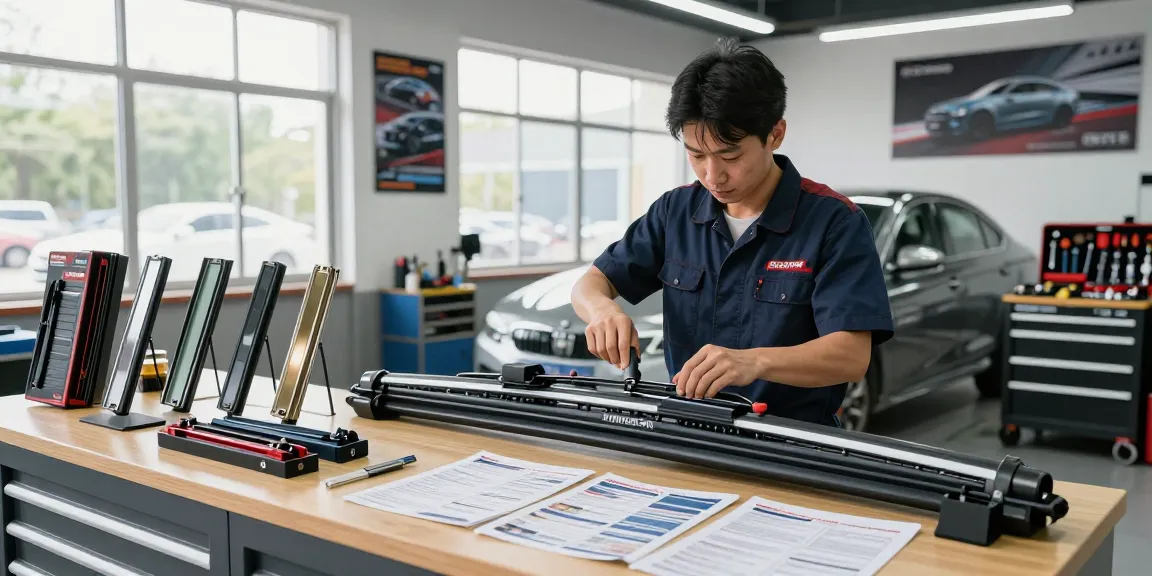
- Measure and Cut Film: Carefully measure the sections of the vehicle to cut the PPF to appropriate sizes.
- Apply Solution: Use a mixture of water and soap to wet the adhesive side of the film before positioning it on the vehicle.
- Position Film: Align the film accurately over the desired area, ensuring it covers the paint sufficiently.
- Squeegee Out Air Bubbles: Using a squeegee, gently push out air bubbles and excess solution from beneath the film, starting from the center outward.
- Trim Excess: Carefully trim any excess film using a sharp blade for a clean, finished edge.
- Cure the Film: Allow the film to cure as per the manufacturer's recommendations, usually requiring 24 to 48 hours.
Common Mistakes to Avoid
Installation errors can lead to unsatisfactory results. Be aware of these common pitfalls:
- Skipping the Surface Prep: Failing to clean the vehicle properly can cause the film to lift or bubble.
- Not Using Enough Solution: Insufficient lubrication during installation can lead to trapping dirt and air bubbles.
- Ignoring Temperature Conditions: PPF should ideally be applied in temperature-controlled environments for optimal adhesion.
Maintenance of PPF During Winter
Best Practices for Caring for PPF
Maintaining PPF is vital to ensure that it provides the protection you seek while also prolonging its lifespan:
- Avoid Harsh Chemicals: Use pH-neutral car shampoos instead of abrasive cleaners that can damage the film.
- Regular Inspection: Periodically check for any signs of lifting or damage, especially after winter storms.
- Wash Regularly: Regular washes help remove road salt and grime build-up, ensuring the film remains clear and effective.
How to Clean PPF in Winter Conditions
Cleaning PPF during winter requires special care to prevent damage:
- Use Warm Water: Start with warm water to dissolve any road salt, making it easier to wash away.
- Soft Cloths: Use soft microfiber towels to gently clean the film without scratching it.
- Rinse Thoroughly: Always rinse the film thoroughly to prevent soap residue from settling into the film.
Signs Your PPF Needs Replacement
Regular inspections can help determine when to replace PPF. Signs of wear include:
- Discoloration: Yellowing or fading of the film indicates that it is losing effectiveness.
- Peeling or Lifting: If edges are lifting, it may be time for a replacement to keep protecting the paint.
- Visible Damage: Deep scratches or gouges that do not self-heal may necessitate complete film replacement.
FAQs About PPF Winter Road Salt Protection
How long does PPF last in winter conditions?
Typically, high-quality PPF can last between 5 to 10 years, even in harsh winter conditions when properly maintained.
Can PPF be safely removed?
Yes, PPF can be safely removed without damaging the vehicle's paint, though professional help is recommended.
Will PPF yellow over time?
High-quality PPF is designed to resist yellowing from UV exposure and harsh weather, maintaining clarity over time.
Does PPF help against scratches from road salt?
Yes, PPF provides a protective layer against minor scratches caused by road salt and debris, preserving vehicle appearance.
Is PPF worth the investment?
Yes, investing in PPF can save you money on repairs and detailing in the long run while maintaining the vehicle's aesthetic value.