
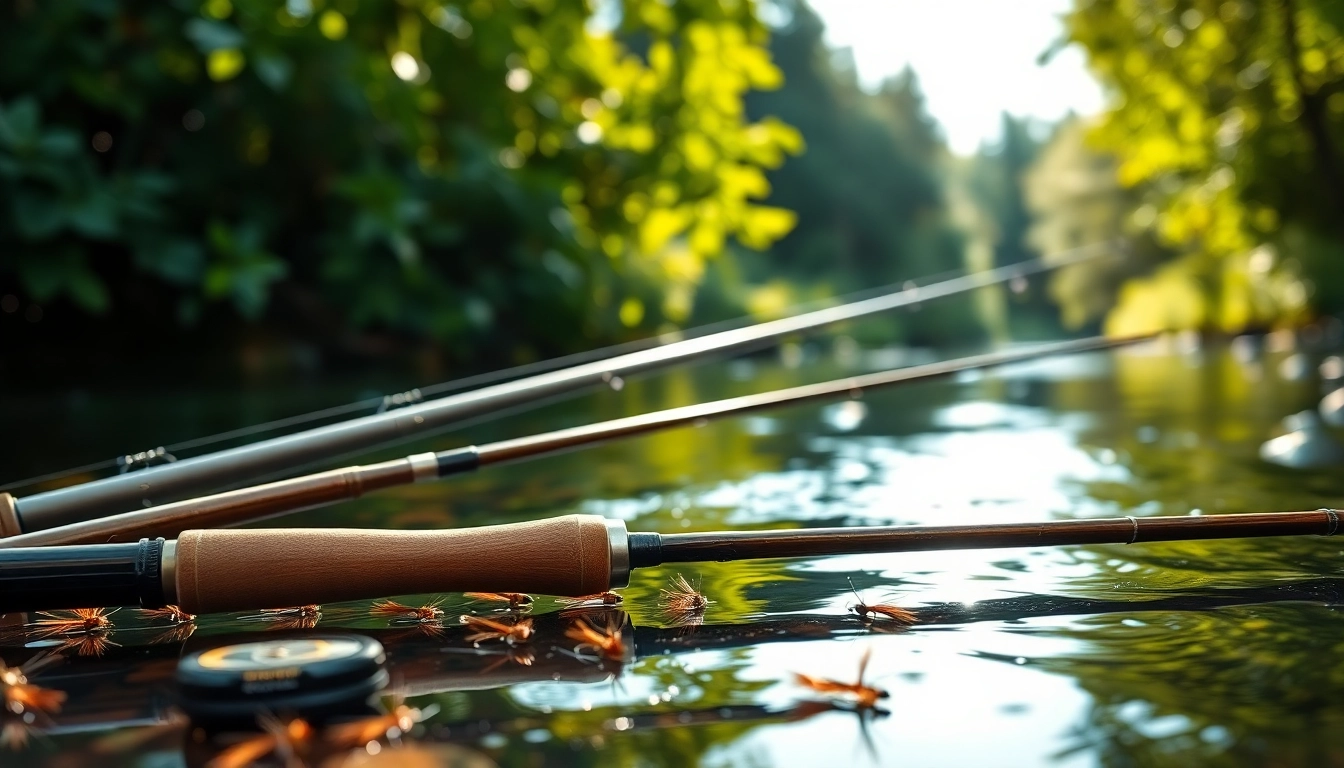
Introduction to Fly Fishing Rods
When it comes to fly fishing, the rod you choose plays a pivotal role in your success on the water. A good fly fishing rod not only enhances your casting ability but also helps you effectively present flies to fish while improving your overall experience. For those seeking the Best fly fishing rods, understanding the intricacies of rods is essential to maximize performance.
In this comprehensive guide, we will delve into the core attributes that define the best fly fishing rods. We will explore various types, essential features, and recommend options suitable for different skill levels. Whether you are a beginner picking your first rod or an experienced angler looking to refine your gear, this article will equip you with the knowledge needed to make an informed decision.
What Makes the Best Fly Fishing Rods?
The best fly fishing rods are distinguished by several key elements: material, action, length, and design. Each factor plays a crucial role in optimizing your fly fishing experience.
The Importance of Action and Length in Fly Rods
Fly rod action refers to how much the rod flexes when pressure is applied. There are three primary actions:
- Fast Action: The tip bends under pressure, allowing for quick casting and better line control. Ideal for larger flies and windy conditions.
- Medium Action: Offers a balance between flexibility and responsiveness, suitable for a variety of fishing situations.
- Slow Action: Bends throughout the rod, allowing for delicate presentations, particularly useful in small streams or when targeting spooky fish.
Rod length varies from 7 to 11 feet, with longer rods providing additional casting distance and line control in challenging conditions. However, they can be more difficult to handle for beginners. Shorter rods are better for small streams and tight spots.
Choosing the Right Material for Fly Rods
Materials significantly impact the performance and durability of fly rods. The three most common materials used in their construction are
- Graphite: Lightweight, flexible, and sensitive, graphite rods are popular among anglers for their responsiveness and performance. They can be pricey yet are among the best for all-around use.
- Fiberglass: More forgiving and durable, fiberglass rods are often favored for their ability to absorb shock and provide a smooth casting experience. They are perfect for beginners and those seeking nostalgic charm.
- Composite: The combination of graphite and fiberglass offers benefits from both materials, resulting in a rod that is both durable and sensitive, catering to various fishing conditions.
Types of Fly Fishing Rods
Understanding the different types of fly fishing rods can significantly enhance your fishing experience. Each type is designed for specific conditions and fishing styles.
Freshwater vs. Saltwater Fly Fishing Rods
Freshwater and saltwater rods differ mainly in strength, durability, and design. Freshwater rods typically come in lighter weights and are designed for species like trout and panfish in rivers and lakes. Saltwater rods, on the other hand, must withstand harsher conditions and target larger, stronger species like tarpon or bonefish. Therefore, they are often heavier and made from more robust materials, ensuring they can handle the larger line weights and fast retrieves required in saline environments.
Single-Handed vs. Double-Handed Fly Rods
Single-handed rods are versatile and the standard choice for most anglers. They are most commonly used in streams and rivers where casting distances are manageable. Double-handed rods are designed for larger bodies of water where greater casting distance and power are needed, particularly in salmon and steelhead fishing. Each type has a unique grip style and requires a different casting technique, so your choice will largely depend on your specific fishing needs and preferences.
Specialty Rods and Their Unique Features
Beyond the traditional divisions, many niche rods exist for specialized fishing techniques:
- Spey Rods: Used in two-handed casting styles for salmon and steelhead fishing on larger rivers.
- Nymphing Rods: Specifically designed for detecting subtle bites while nymph fishing, often with longer lengths and softer actions.
- Short Rods: Great for tight quarters and small streams, these rods facilitate quick casts and pinpoint accuracy.
Choosing the right specialty rod can diversify your fishing opportunities and enhance your techniques.
Key Features to Consider
When evaluating fly rods, certain features can help you discern quality and suitability for your fishing style. Focus on these critical components:
Weight Specifications for Optimal Performance
Each fly rod is rated by weight, corresponding to the weight of the line it is designed to cast most effectively. Typically, rods range from 1 weight (best for small streams and small fish) to 12 weight and beyond (for large saltwater species). A general rule is to choose a rod that matches the fish species and fishing environment you plan to encounter.
Reel Seat and Handle Design
The reel seat should be durable and facilitate easy line management. Aluminum or graphite seats are popular for their strength and lightness. Handle design varies from cork to foam, and features like grip size and shape are essential for comfort during extended periods of use. Ergonomics is crucial, as a well-fitted handle reduces fatigue and enhances control while casting and retrieving.
Durability and Construction Quality
Quality construction is vital for longevity and performance. Look for rods with a solid warranty or guarantee, demonstrating the manufacturer’s confidence in their product. Attention to detail during manufacturing, such as aligning guides properly and using high-quality materials, indicates a superior product that will withstand the challenges of the outdoor environment.
Best Fly Fishing Rods for Different Skill Levels
Whether you’re just starting or a seasoned pro, selecting the right rod according to your skill level will significantly impact your fly fishing journey.
Beginner-Friendly Options for New Anglers
New anglers often benefit from shorter, more forgiving rods that help them learn casting techniques while minimizing frustration. A 9-foot, 5-weight rod is frequently recommended as it offers versatility for various types of fishing. Such setups usually come with included reels, lines, and backing, making it easy to get started without unnecessary complications. Look for test packages that allow you to experience different models without heavy investments.
Intermediate Rods that Enhance Skills
As you gain experience, consider a medium-action rod that allows you to learn more advanced casting techniques. You may want to explore options that provide flexibility while still being responsive, enabling you to gain confidence when casting longer distances or targeting larger fish. Acquiring a rod with a weight rating that matches your intended fishing locations (e.g., a 6-weight for general freshwater) will give you the right balance between power and finesse.
Advanced Rods for Experienced Fishers
For experts, the focus should shift to performance-driven rods designed for specific fishing applications. Fast-action rods made from lightweight materials can enhance casting speed and accuracy in challenging conditions. You may also consider specialty rods catered to niche fishing techniques, such as double-handed casting for large water bodies or rods constructed for specific species. Customization and personalization become increasingly relevant at this level, providing tailored options suited to your unique fishing style.
Tips for Selecting Your Ideal Fly Fishing Rod
Choosing the right fly fishing rod can be an overwhelming task given the myriad of options available. Follow these expert tips to streamline the selection process.
Understanding Fishing Conditions and Fish Species
Your fishing environment plays a significant role in the rod you select. Fish species and habitat dictate required casting distance and rod strength. Research the specific conditions of the waters you plan to fish (current, density of obstacles, etc.) and match these needs with rod specifications for the best experience. A review of local fishing reports or discussions with experienced anglers can also provide valuable insights.
Test Casting Different Rods
The best way to gauge a rod’s performance is through actual use. If possible, visit a local outfitter or fishing shop that allows for test casting. Take the time to feel the weight, action and overall comfort of each rod. Doing so also provides an opportunity to learn about the nuances of various rod styles directly from knowledgeable staff.
Budget Considerations for Fly Fishing Rods
Your budget will influence your options, but don’t forget to consider the long-term investment involved in quality fly fishing equipment. It’s typically worth investing in a higher-quality rod, as it can last much longer than less expensive counterparts. Look for seasonal sales, package deals that include reels, or trusted brands that offer quality gear at various price points. A solid mid-range rod can serve as a great compromise between affordability and longevity.
Conclusion
Choosing the right fly fishing rod is foundational to achieving success and enjoyment on the water. From understanding different types of rods and key features to matching your choice to your skill level and specific fishing conditions, the insights provided in this guide aim to empower anglers at all stages. Ultimately, the best fly fishing rods are those that resonate with your personal fishing style and preferences—ensuring you’re well-equipped for the adventures ahead!
About the Author