Understanding British Pond Plants
When cultivating your garden, embracing the natural beauty of British Pond Plants can transform your outdoor space into a vibrant ecosystem. These plants not only add aesthetic appeal but also play a crucial role in maintaining ecological balance within your pond. Understanding the variety and functions of British pond plants is essential for both seasoned gardeners and enthusiastic beginners alike.
What Are British Pond Plants?
British pond plants are native aquatic and semi-aquatic species that thrive in the natural water bodies of the UK. These plants are adapted to the local climate, soil, and water conditions, making them more resilient than non-native species. They can be broadly categorized into three groups: submerged plants, emergent plants, and floating plants, each serving specific functions in a pond ecosystem.
Benefits of Incorporating British Pond Plants
Integrating British pond plants into your aquatic garden offers numerous benefits:
- Ecological Balance: These plants provide habitat and food for various wildlife, including insects, amphibians, and fish.
- Water Quality Improvement: They play a vital role in filtering pollutants and reducing algae growth, thereby enhancing water clarity.
- Aesthetic Appeal: The natural beauty and variety of textures and colors offered by native plants can elevate the visual experience of your pond.
- Low Maintenance: Being adapted to local conditions, British pond plants often require less care and are more resistant to diseases.
Common Varieties and Their Features
Several species stand out in British pond gardening. Here are a few notable examples:
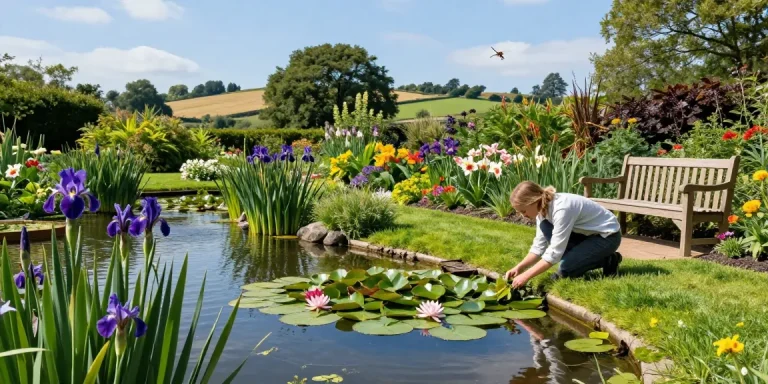
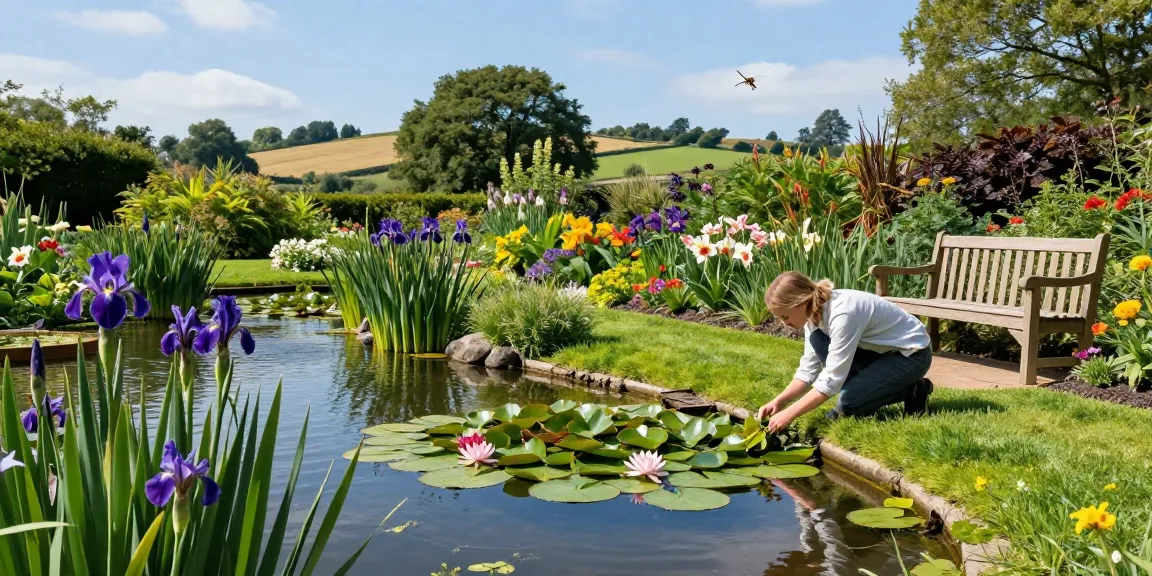
- Water Lily (Nymphaea): Known for its stunning blooms, water lilies provide shade and habitat for fish.
- Marsh Marigold (Caltha palustris): Early spring flowers that thrive in shallow waters, offering vital nectar to pollinators.
- Hornwort (Ceratophyllum demersum): A submerged plant that oxygenates water and provides shelter for fish and fry.
- Yellow Iris (Iris pseudacorus): This emergent plant adds striking color and is a great wildlife attractor.
Challenges in Maintaining British Pond Plants
Maintaining the health and beauty of British pond plants can come with its own set of challenges. Understanding these obstacles allows gardeners to take preventative measures and ensure their ponds thrive.
Identifying Common Issues with Pond Plants
Common issues that may arise include:
- Overgrowth: Some species, such as water lilies, can become invasive if not managed properly.
- Nutrient Imbalance: Excess nutrients can lead to algae blooms that outcompete desirable plants for resources.
- Water Level Fluctuations: Changes in water levels can stress plants, particularly those with specific depth requirements.
Dealing with Pests and Diseases
Pond plants can fall prey to various pests and diseases, such as aphids, snails, and fungal infections. Regular monitoring and adopting integrated pest management strategies can minimize these threats:
- Natural Predators: Encourage wildlife that preys on common pests, such as frogs and birds.
- Biological Controls: Use beneficial insects or introduce bacteria that combat harmful organisms without damaging your plants.
Managing Water Quality for Optimal Growth
Water quality is a fundamental aspect of plant health. Factors to monitor include:
- pH Levels: Most British pond plants prefer slightly acidic to neutral pH levels (6.5 – 7.5).
- Dissolved Oxygen: Vital for plant roots and aquatic life, ensure proper aeration through water movement or plants that oxygenate the water.
- Nutrient Levels: Balancing nutrients is crucial; too much can lead to algae, while too little can stunt plant growth.
Best Practices for Planting British Pond Plants
Implementing best practices when planting British pond plants contributes significantly to their success and longevity in your pond.
Choosing the Right Location for Your Pond
Consider the following factors when selecting a location:
- Sunlight: Most aquatic plants thrive in full to partial sun exposure, so assess sunlight patterns throughout the day.
- Wind Protection: Planting around natural barriers can shield your pond and plants from strong winds that can uproot or damage them.
Soil and Water Requirements for Healthy Growth
Understand the specific soil and water needs of the plants you choose. Generally, aquatic soils should be loamy to retain moisture while allowing drainage. Water depth requirements will vary; ensure you plant each variety at the correct depth for optimal growth.
Complementary Plantings to Enhance Biodiversity
Diversity is key to a thriving pond ecosystem. Consider pairing species that complement each other:
- Floating Plants: Such as duckweed, can provide shade and help control algae growth when planted alongside submerged plants.
- Emergent Plants: Placing them around the edges not only stabilizes the bank but also offers habitat for wildlife.
Creating a Sustainable Pond Ecosystem
Establishing a sustainable pond ecosystem requires thoughtful consideration of wildlife and plant interactions. Here are strategies to consider:
Incorporating Wildlife-Friendly Practices
Encouraging wildlife in your pond can greatly enhance its health and resilience. Strategies include:
- Create Natural Habitats: Add rocks, logs, or plants to provide shelter for amphibians and insects.
- Avoid Chemicals: Limit the use of chemical fertilizers and pesticides that can harm aquatic life.
Using Native Species for Better Resilience
Native British pond plants are inherently adapted to local conditions, making them more resilient to pests and environmental changes. By prioritizing these species, you create a robust ecosystem that thrives naturally.
Water Management Techniques for Longevity
Implementing effective water management techniques will help maintain the health of your pond over time. Consider:
- Regular Water Testing: Monitor for changes in pH, nutrient levels, and contaminants.
- Filtration Systems: Utilize natural or mechanical filtration methods to keep the water clean and clear.
Future Trends in British Pond Plant Care
The future of pond gardening is bright, with new innovations and trends emerging. Here are key areas to watch:
Innovative Tools and Technology for Gardening
With advancements in technology, tools that improve water quality, monitor plant health, and automate maintenance are becoming more accessible. These innovations can help gardeners maintain their ponds with less labor and greater efficiency.
Emerging Plant Varieties for 2026 and Beyond
As climate change and ecological awareness shape gardening trends, we expect to see the introduction of new plant varieties that are even better adapted to changing environmental conditions. Researching and integrating these varieties can enhance your pond’s biodiversity and resilience.
Expert Predictions on Aquatic Gardening Trends
Experts predict a growing interest in sustainable gardening practices, including permaculture approaches to pond management. As awareness increases about the importance of biodiversity, more gardeners will focus on cultivating a wide range of native species, creating natural habitats, and employing organic practices.
What are the best British pond plants for beginners?
For novices, starting with hardy species such as water lilies and marsh marigolds can be beneficial due to their resilience and low maintenance needs.
How do I prevent pest infestations in my pond garden?
Maintaining a balanced ecosystem by encouraging natural predators and practicing good water quality management will significantly reduce pest problems.
What is the ideal water temperature for British pond plants?
Most British pond plants thrive best in temperatures between 15°C and 25°C (59°F to 77°F). Consistent monitoring can help maintain these ideal conditions.
Can I grow British pond plants in containers?
Yes, many British pond plants can thrive in containers, especially if you provide adequate water and soil conditions. This is a great option for limited spaces.
How often should I fertilize my pond plants?
Generally, fertilizing once a season with a slow-release aquatic fertilizer is sufficient. However, adjustments may be necessary based on specific plant needs and water quality.
About the Author