
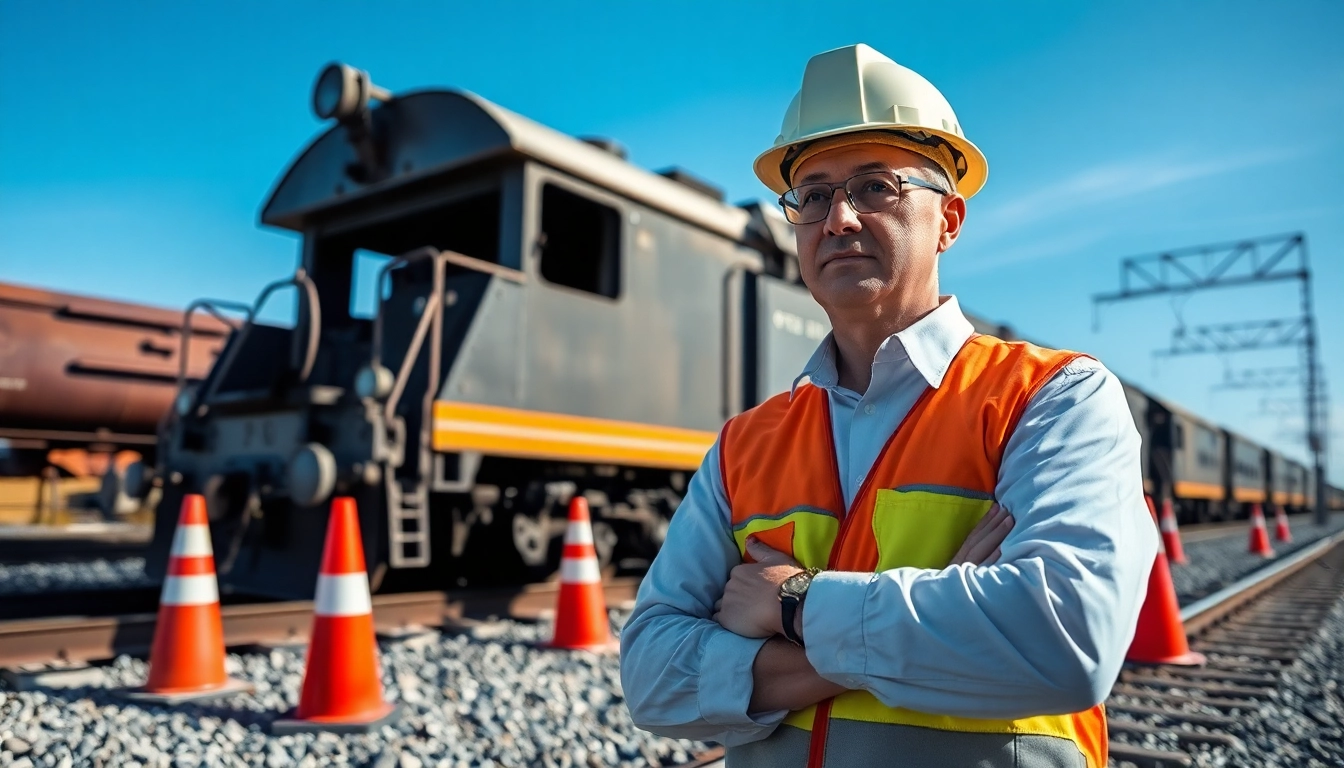
Introduction to Derailment
Derailment is a term that strikes a chord of concern across the transportation sector, particularly within rail systems. This phenomenon occurs when a train leaves its rails, leading to potentially catastrophic outcomes. Understanding Derailment is crucial, as it allows stakeholders to assess risks, develop preventive measures, and ensure the safety of both cargo and passengers. As railways play a vital role in global logistics and commuting, addressing derailment is not just about safety; it has broader implications that resonate throughout society and the economy.
Definition of Derailment
Derailment refers to the incident in which a train runs off its tracks. This event can occur due to various factors, including technical failures, human errors, and environmental conditions. The consequences of derailment can vary from minor disruptions to severe accidents that lead to injuries, fatalities, and substantial economic losses. A thorough understanding of its definition sets the foundation for exploring its myriad causes and implications.
Importance of Addressing Derailment
Addressing derailment is imperative for multiple reasons. First and foremost, it encompasses the safety of passengers and crew members, ensuring that their journeys are secure. Additionally, derailments can have serious financial ramifications for railway companies due to repair costs, legal liabilities, and increased insurance premiums. Thus, a preventative approach can mitigate these financial risks and enhance overall operational efficiency.
Overview of Implications of Derailment
The implications of derailment extend beyond immediate disruptions. Economically, a derailment can lead to significant delays in freight transportation, impacting supply chains and business operations. Environmentally, spills from tankers or other cargo can have devastating effects on ecosystems. Moreover, public perception of rail safety can deteriorate, affecting ridership and long-term trust in rail services.
Common Causes of Derailment
Track Infrastructure Failures
One of the primary causes of derailment is the failure of track infrastructure. Tracks may experience wear and tear, which can manifest as broken rails, misaligned tracks, or structural weaknesses. Proper maintenance of rail infrastructure is paramount; the implementation of regular inspections and timely repairs can significantly reduce the potential for derailment caused by track failures.
Human Error Factors
Human error is another significant contributor to derailments. Factors such as miscommunication, inadequate training, or fatigue can lead to critical mistakes during operation. Implementing comprehensive training programs and fostering a safety-first culture can aid in reducing the incidence of human error. Psychological studies show that a heightened awareness of surroundings and adherence to protocols can mitigate risky behavior amongst personnel.
Environmental Influences on Derailment
The environment plays a pivotal role in rail safety. Severe weather conditions such as heavy rain, snow, or high winds can adversely impact track conditions and train stability. Additionally, geological events such as landslides or ground subsidence can destabilize tracks. Rail operators must adopt adaptive strategies that take these environmental factors into account, ensuring that contingency plans are established for unpredictable circumstances.
Impacts of Derailment on Transportation
Economic Consequences of Derailment
Derailments have significant economic ramifications, not only for the rail operator but also for the surrounding community and broader economy. Costs incurred from damages, legal actions, and operational disruptions can accumulate rapidly. Recovery from a derailment can take weeks or even months, particularly if infrastructure repairs are required, leading to further economic losses in terms of delayed freight transportation and reduced consumer confidence in rail services.
Environmental Damage due to Derailment
The environmental impact of derailments can be drastic, especially in cases where trains are carrying hazardous materials. Spills can contaminate soil and waterways, posing a threat to local flora and fauna. The cleanup processes can be lengthy and costly, requiring extensive resources and labor. Therefore, it is essential for rail companies to implement robust environmental safeguards and emergency response plans to address potential derailments effectively.
Public Safety Concerns from Derailment
Safety is paramount when discussing derailments, as they can endanger passengers, crew, and bystanders alike. The emotional and psychological toll on victims and their families can reverberate throughout communities. A single derailment can shake public confidence in rail travel, leading to a decline in ridership. Rail operators must prioritize safety measures to restore public trust and ensure that passengers feel secure in their choice of transportation.
Strategies for Derailment Prevention
Regular Maintenance Protocols
Establishing regular maintenance protocols is one of the most effective strategies for preventing derailments. Scheduled inspections and routine maintenance can identify potential weaknesses in rail infrastructure before they lead to failures. Employing advanced technologies such as sensor systems that monitor track condition can provide real-time data, allowing for proactive maintenance interventions. Rail companies have seen significant reductions in derailment rates by investing in these proactive upkeep measures.
Training and Safety Measures for Personnel
Training programs for railway personnel should emphasize not only operational adherence but also situational awareness and risk management. Simulation-based training can help staff experience various scenarios, reinforcing the importance of proper decision-making in critical situations. Regular safety workshops can keep safety at the forefront of operations, ensuring staff remain informed about current best practices and safety innovations.
Technological Innovations in Rail Safety
The landscape of rail safety is rapidly evolving with technology. Innovations such as automated train control systems, updated signaling technologies, and predictive analytics are becoming commonplace. These systems enhance monitoring capabilities, allowing for quicker response times and more informed decision-making. By embracing new technologies, rail operators can create safer environments and significantly reduce the risk of derailments.
Case Studies and Lessons Learned from Derailment
Notable Derailment Incidents
Studying past derailment incidents is invaluable for understanding the patterns and failures that lead to such occurrences. For instance, the derailment of a passenger train in a densely populated area highlighted the critical need for effective communication and speedy incident response. These cases serve as poignant reminders of the importance of continued vigilance and investment in safety advancements.
Analysis of Prevention Failures
Analyzing previous derailments can reveal gaps in prevention strategies and response protocols. For example, lapses in maintenance scheduling often correlate with mechanical failures leading to derailments. Conducting thorough post-incident reviews can pinpoint specific failures and lead to actionable improvements. This transparent evaluation process increases accountability and drives continuous improvement in safety standards.
Success Stories in Mitigating Derailment Risks
Conversely, numerous success stories demonstrate the effectiveness of rigorous safety protocols and innovative technologies in reducing derailment risks. Case studies where railroads adopted comprehensive safety measures showcased dramatic reductions in derailment rates. These success stories not only serve as models for other operators but also highlight the importance of prioritizing safety at an organizational level.
Frequently Asked Questions (FAQs)
What is derailment?
Derailment occurs when a train leaves its tracks due to various factors, including mechanical failures or human error, leading to possible accidents and economic losses.
What are the main causes of derailment?
The leading causes include track infrastructure failures, human error, and environmental influences such as severe weather or geological changes.
How does derailment impact the economy?
Derailments can lead to costly repairs, legal fees, and operational disruptions, affecting supply chains and diminishing consumer confidence in rail services.
What measures can prevent derailment?
Regular maintenance, comprehensive personnel training, and technological innovations are crucial for preventing derailments and improving overall rail safety.
What lessons can be learned from derailment incidents?
Analyzing past incidents helps identify prevention failures and success stories, driving improvements in safety practices across the industry.
About the Author