Understanding Vinyl Flooring: What You Need to Know
Introduction to Vinyl Flooring
Vinyl flooring has transformed from a basic, budget-friendly option into a versatile and stylish choice for homeowners and designers alike. The modern evolution of vinyl flooring now includes a plethora of designs, textures, and colors that cater to a wide range of aesthetic preferences and functional requirements. Whether you’re looking for something durable for high-traffic areas or a chic finish for a stylish living space, understanding the various types and features of vinyl flooring is essential.
Types of Vinyl Flooring Choices
When it comes to vinyl flooring, there are primarily three types that cater to different needs and installations:
- Sheet Vinyl: This type comes in large, continuous sheets which can be installed in large areas with minimal seams. Sheet vinyl is particularly advantageous in moisture-prone spaces like bathrooms and kitchens.
- Vinyl Tile: Often resembling ceramic tiles, vinyl tiles come in various sizes and styles. They are easier to install and replace compared to sheet vinyl, allowing for creative patterns and designs.
- Luxury Vinyl Plank (LVP): This high-end option mimics the look of hardwood flooring and offers enhanced durability and comfort. LVP is an excellent choice for those seeking a sophisticated appearance without the high maintenance of actual wood.
Benefits of Vinyl Flooring for Homes
Vinyl flooring provides numerous advantages that make it a popular choice among homeowners. These benefits include:
- Affordability: Compared to hardwood and tile, vinyl flooring is often more budget-friendly without compromising quality and appearance.
- Durability: Vinyl is designed to resist scratches, stains, and dents, making it perfect for families with children or pets.
- Water Resistance: Especially prominent in LVP and sheet vinyl, the moisture resistance makes it suitable for kitchens, bathrooms, and basements.
- Ease of Maintenance: Cleaning vinyl flooring is straightforward; typically, a damp mop and mild detergent are sufficient for upkeep.
Choosing the Right Vinyl Flooring for Your Space
Factors to Consider When Selecting Vinyl Flooring
Selecting the right vinyl flooring requires careful consideration of various factors:
- Traffic Levels: For high-traffic areas, thicker, more durable vinyl types like LVP or robust sheet vinyl are ideal.
- Moisture Levels: Choose waterproof vinyl for areas frequently exposed to moisture, such as kitchens and bathrooms.
- Style and Decor: Consider the overall design aesthetic of your home. Classic wood looks, contemporary tiles, or bold patterns can drastically change a room’s vibe.
- Comfort and Underfoot Feel: Some vinyl flooring options are cushioned for enhanced comfort, making them suitable for spaces where you stand for long periods.
Design Trends in Vinyl Flooring
As design preferences evolve, so do vinyl flooring styles. Current trends include:
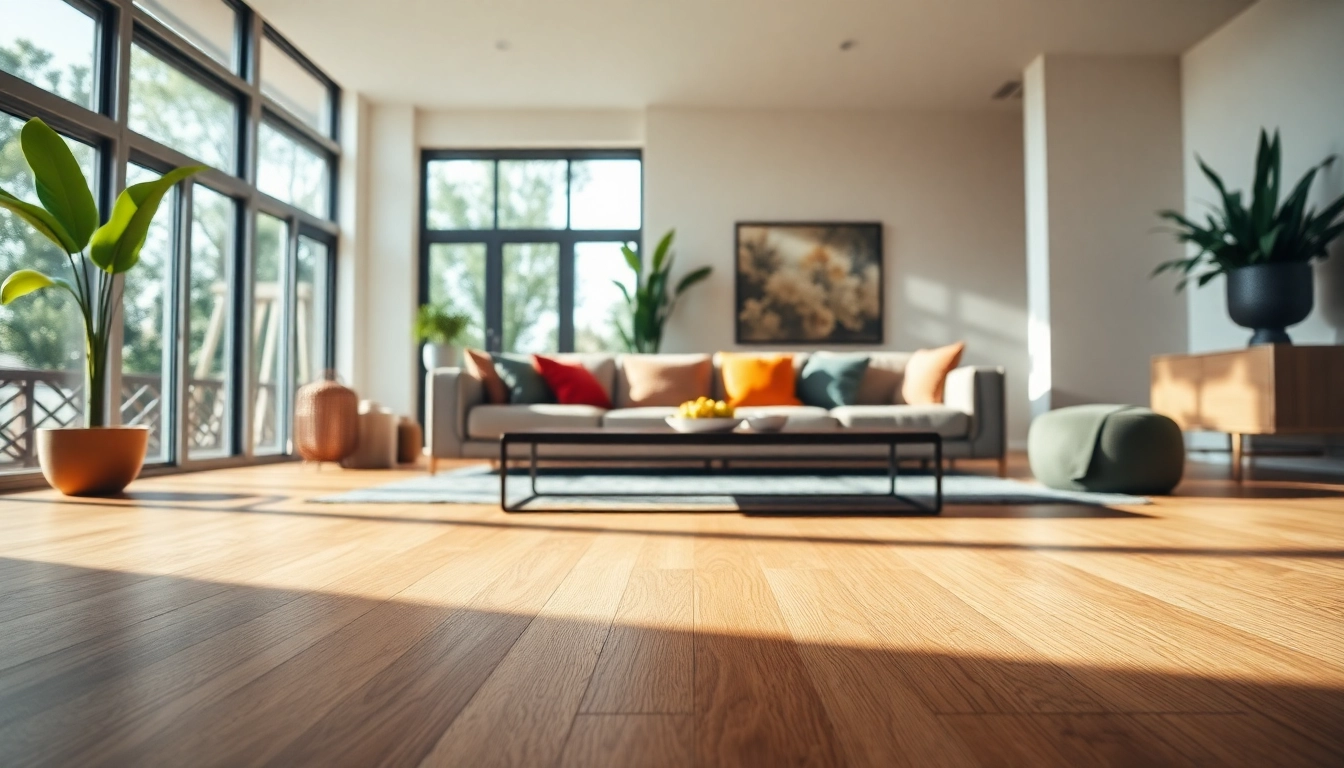
- Natural Looks: Vinyl that mimics natural materials like wood, stone, or even concrete is highly sought after for its aesthetic appeal.
- Bold Patterns: Geometric patterns and colorful tiles can add character and uniqueness to an otherwise neutral space.
- Texture Variations: Textured surfaces provide depth and realism, enhancing how light interacts with the flooring.
Comparing Vinyl Flooring with Other Materials
To make an informed decision, it’s crucial to compare vinyl flooring with other popular flooring materials:
| Feature | Vinyl Flooring | Hardwood Flooring | Ceramic Tile |
|---|---|---|---|
| Cost | Low to Moderate | High | Moderate to High |
| Installation | Easy to Moderate | Moderate to Difficult | Moderate to Difficult |
| Durability | High | Moderate | High |
| Water Resistance | High | Variable | High |
Installation Process of Vinyl Flooring
Preparing Your Space for Vinyl Flooring
Before installing vinyl flooring, it’s essential to prepare the space effectively:
- Subfloor Assessment: Ensure the subfloor is clean, dry, and smooth. Any imperfections can affect the final flooring appearance.
- Remove Old Flooring: Any existing flooring should be removed to allow for a smooth installation surface, unless installing over a compatible surface.
- Acclimation: Let the vinyl flooring acclimate in the space where it will be installed for at least 48 hours. This helps minimize expansion or contraction.
DIY vs Professional Installation
Deciding between a DIY approach and hiring a professional entails weighing several factors:
- Skill Level: If you’re handy and have experience with home projects, a DIY installation could be feasible and cost-effective.
- Time: Professionals can often complete installations quickly and efficiently, saving you time and effort.
- Tools and Equipment: Consider whether you have access to the necessary tools and equipment for a successful installation.
Post-Installation Maintenance Tips
Once your vinyl flooring is installed, maintaining it is crucial for longevity:
- Regular Cleaning: Sweep or vacuum regularly to remove dirt and debris. Use a damp mop for deeper cleaning.
- Avoid Harsh Chemicals: Only use cleaners specifically designed for vinyl flooring to avoid damage.
- Place Mats: Use mats at entryways to reduce dirt and moisture exposure on your vinyl flooring.
Enhancing Your Home with Vinyl Flooring
Decorating Tips for Vinyl Flooring Spaces
Enhancing spaces with vinyl flooring involves clever decorating tips that complement the flooring:
- Area Rugs: Layering area rugs can add softness and warmth to a vinyl floor while allowing the design to shine through.
- Color Coordination: Choose furniture and decor colors that either complement or contrast with your vinyl flooring to create visual interest.
- Vertical Design Elements: Incorporate vertical elements, such as artwork or tall plants, to draw the eye upward and enhance the room’s dimensions.
Creating Flow with Vinyl Flooring Design
A key advantage of vinyl flooring is its ability to create a seamless flow between spaces:
Choose consistent colors or patterns of vinyl flooring throughout adjoining rooms to create an expansive, open feel. Additionally, consider transitions that connect different vinyl designs smoothly, further enhancing the overall aesthetic.
How Vinyl Flooring Impacts Home Value
Investing in quality vinyl flooring can positively influence your home’s market value:
Homebuyers appreciate the durability and low-maintenance nature of vinyl flooring, with many considering it a valuable asset. Properly chosen vinyl can enhance the aesthetic appeal and add functional value, potentially yielding a higher return on investment.
Frequently Asked Questions about Vinyl Flooring
What are the main benefits of vinyl flooring?
The primary benefits include affordability, durability, easy maintenance, and water resistance, making it ideal for high-traffic and moisture-prone areas.
How do I clean and maintain vinyl flooring?
Regular sweeping and damp mopping with mild detergents are perfect for maintaining vinyl flooring. Avoid harsh chemicals to preserve its condition.
Is vinyl flooring waterproof?
Many modern vinyl flooring options, especially luxury vinyl, are waterproof or highly water-resistant, making them suitable for kitchens and bathrooms.
Can vinyl flooring be installed over existing floors?
Yes, vinyl flooring can often be installed over existing hard surfaces like tile or linoleum, provided the surface is in good condition.
What is the lifespan of vinyl flooring?
The lifespan of vinyl flooring ranges from 10 to 25 years, depending largely on the quality of the product and maintenance practices.
About the Author