
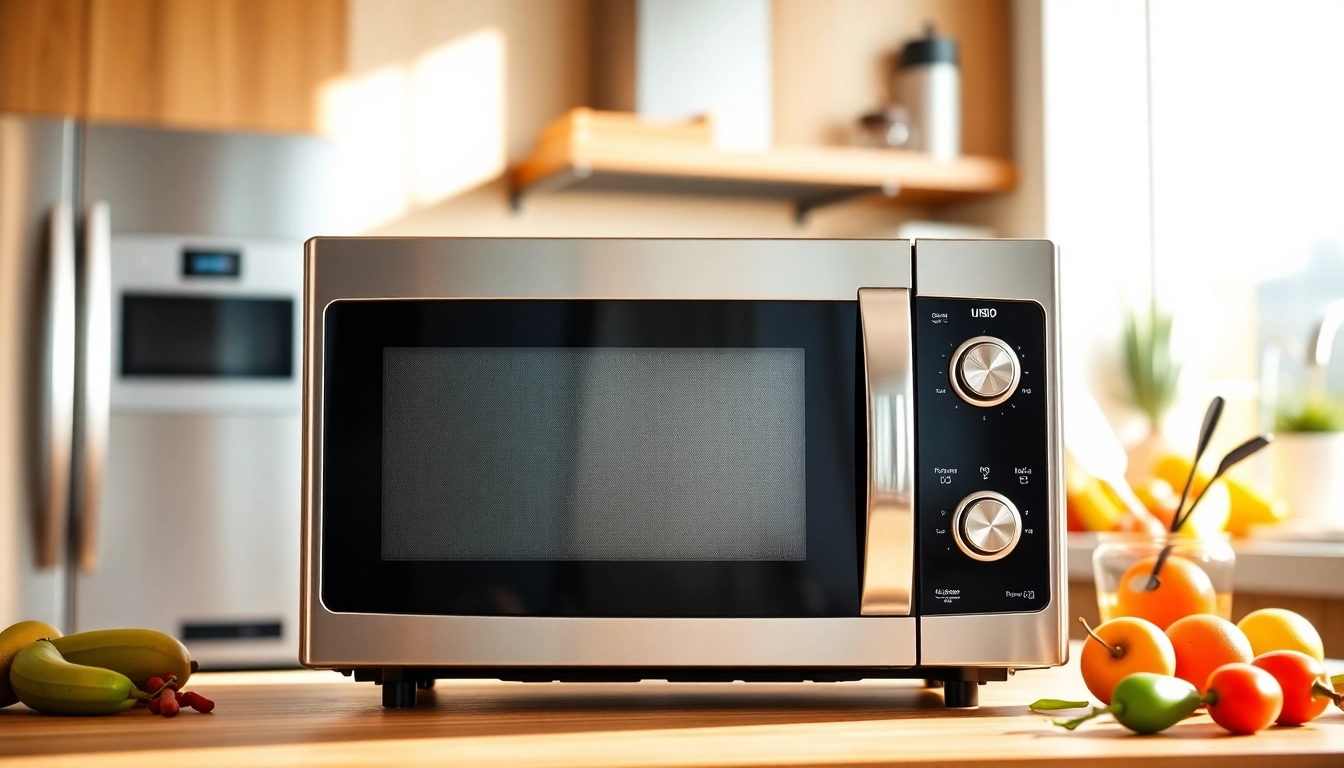
Understanding Microwave Oven Sales
Microwave ovens have become an essential appliance in modern kitchens, offering convenience and efficiency. The microwave oven sales industry has witnessed significant growth over the past few years, driven by shifts in consumer behavior and technological advancements. This article delves into the current market trends, consumer preferences, brand impacts, and future projections in microwave oven sales, providing an in-depth analysis for stakeholders in this dynamic market.
Current Market Trends in Microwave Oven Sales
The global microwave oven market has been experiencing robust growth, fueled by increasing urbanization, busy lifestyles, and enhanced product functionalities. Recent reports indicate that not only are traditional countertop microwaves popular, but there is also a rising demand for advanced models that incorporate smart technology. Consumers are seeking appliances that are not just time-saving but also energy-efficient. Trends such as dual cooking technology, inverter technology, and pre-programmed settings for popular meals are driving the market forward.
Additionally, the COVID-19 pandemic accelerated the demand for kitchen appliances as more people cooked at home. This shift is likely to have lasting effects, leading to sustained interest in high-efficiency microwave ovens. Price competitiveness remains pivotal, as consumers evaluate value for money alongside features offered by different brands.
Consumer Preferences and Choices
Today’s consumers are well-informed and often conduct extensive research before making a purchase. When it comes to microwave ovens, factors like size, wattage, features, and aesthetics significantly influence buying decisions. Surveys indicate that consumers prioritize high wattage for faster cooking, but they are equally interested in compact models that fit into smaller kitchens.
Moreover, brand loyalty plays a crucial role, with many consumers sticking to brands they trust. Others evaluate reviews and ratings online to inform their choices. Additionally, eco-conscious consumers are beginning to favor energy-efficient models that minimize electricity usage without compromising performance. Understanding these preferences is crucial for marketers and retailers aiming to enhance their microwave oven sales.
Impact of Brand Reputation on Sales
In the appliance market, brand reputation can significantly influence consumer choices. Established brands often benefit from consumer trust, which leads to higher microwave oven sales. Consumers perceive well-known brands as more reliable due to their history of quality and customer service. However, emerging brands that offer innovative features or lower prices may disrupt the market if they effectively communicate their value proposition.
Brand loyalty can also create a barrier for new entrants. Consumers who have had positive experiences with a particular brand tend to remain loyal, purchasing additional appliances from the same brand in the future. As such, companies must invest in building a solid reputation and maintaining high standards of quality and service to remain competitive.
Types of Microwave Ovens: What to Consider
Countertop vs. Built-in Microwave Oven Sales
Choosing between countertop and built-in microwave ovens depends largely on kitchen design, available space, and personal cooking habits. Countertop microwaves are versatile and easy to install, making them a popular choice for many households. However, built-in microwaves offer a seamless look and can save space in compact kitchens.
In terms of sales, countertop models tend to dominate due to their affordability and ease of use. Nevertheless, the sales of built-in models are on the rise, especially among homeowners who are remodeling or upgrading their kitchens. Retailers should offer a variety of both options to cater to diverse consumer needs.
Convection vs. Standard Microwaves
When deciding between convection and standard microwaves, it’s essential to understand how each works and the benefits they offer. Standard microwaves use electromagnetic waves to heat food, while convection microwaves utilize a fan to circulate hot air, allowing for even cooking and browning.
Convection microwaves, although generally more expensive, are gaining traction among consumers who seek versatility in their cooking methods. For marketers, promoting the enhanced cooking capabilities of convection models can attract a broader audience, potentially increasing overall sales. Highlighting features like quick preheating and multi-functional cooking settings will appeal to current market demands.
Features that Enhance Microwave Oven Sales
The range of features in microwave ovens keeps expanding, tailored to meet modern consumer demands. Key features such as inverter technology, sensor cooking, and programmable controls not only improve usability but also contribute to better cooking results. Inverter technology, for example, allows for consistent heating, which is crucial when cooking delicate items.
Moreover, smart features that enable remote access through mobile apps are becoming increasingly popular. These features enhance convenience by allowing consumers to preheat their ovens or receive alerts when food is ready. Retailers should emphasize these innovative features in their marketing strategies to capture consumer interest and encourage purchases.
Strategies to Enhance Your Microwave Oven Sales
Effective Marketing Techniques
To boost microwave oven sales, employing effective marketing strategies is crucial. Content marketing, particularly through informative blogs and video tutorials, can educate consumers about the benefits and features of various microwave ovens. Additionally, collaborating with influencers who emphasize healthy cooking or efficient kitchen practices can improve brand visibility.
Promotions, limited-time discounts, and bundled offers can also create urgency and drive purchases. Highlighting energy efficiency and cost savings associated with specific models can appeal to eco-conscious consumers, enhancing the perceived value of the product. Engaging advertising that resonates with customer lifestyles can convert interest into sales.
Utilizing Social Media for Sales Growth
Social media platforms have become essential tools for promoting products and building brand loyalty in the appliance sector. Utilizing platforms like Instagram, Facebook, and Pinterest can reach a broad audience by showcasing the functionality and aesthetics of microwave ovens. Creative campaigns that encourage user-generated content, such as cooking tips and recipes, can increase engagement and visibility.
Additionally, targeted ads can help reach specific demographics, allowing marketers to tailor their messages to fit different consumer segments. Maintaining active communication through comments and messages fosters relationships and can lead to higher customer satisfaction and retention, further enhancing microwave oven sales.
Leveraging Online Sales Platforms
With the rise of e-commerce, leveraging online sales platforms is vital for increasing microwave oven sales. Retailers should optimize their online product listings with high-quality images, comprehensive descriptions, and customer reviews. Factors such as website accessibility and mobile compatibility can enhance user experience, encouraging more purchases.
Additionally, offering flexible payment options, including financing plans, can attract budget-conscious consumers. Employing SEO strategies to ensure visibility on search engines will further drive organic traffic to product pages. Understanding online consumer behavior can help tailor marketing strategies that align with purchasing trends.
Boosting Customer Satisfaction
Importance of Quality Assurance
Quality assurance is critical in ensuring customer satisfaction and fostering brand loyalty. Consistent product quality in microwave ovens not only minimizes returns but also enhances customer perception of the brand. Implementing rigorous testing processes during production can ensure that each microwave oven meets acceptable standards before reaching the consumer.
Providing detailed user manuals and cooking guides can also help educate customers, allowing them to maximize the benefits of their purchases. Exceptional quality assurance translates directly into positive consumer experiences, which can significantly impact sales performance.
Offering Warranties and Support Services
Offering robust warranties and support services can enhance customer confidence in purchasing decisions. Warranties that cover defects for extended periods can provide peace of mind, encouraging consumers to choose a product from a reputable brand. Providing responsive customer support, including troubleshooting and repair services, builds trust and fosters long-term relationships with customers.
A strong after-sales service approach reinforces the idea that a company stands behind its products, leading to higher customer satisfaction and retention. This not only encourages repeat purchases but also influences positive word-of-mouth referrals, further boosting microwave oven sales.
Customer Feedback Mechanisms
Implementing mechanisms for customer feedback is essential for continuous improvement. Collecting reviews, conducting surveys, and monitoring social media discussions can provide valuable insights into consumer expectations and product performance. Analyzing feedback allows manufacturers to refine existing models and develop new features that align with market demands.
Responding to customer feedback shows that a brand values its consumers’ opinions, enhancing loyalty and satisfaction. Engaging with customers post-purchase can also lead to positive reviews and testimonials, which are crucial for influencing potential buyers in the crowded appliance market.
Future Projections for Microwave Oven Sales
Emerging Technologies in Microwave Ovens
As technology continues to evolve, the microwave oven industry is likely to see considerable advancements. Emerging technologies such as artificial intelligence (AI), which can adapt cooking times and temperatures based on food types, could revolutionize user interfaces. Smart kitchen functionalities that enable integration with other smart home devices may also enhance consumer experience.
Microwave ovens that can communicate with smartphones or home assistants will cater to the tech-savvy consumer looking for convenience and efficiency in cooking. Anticipating these technological trends can help manufacturers stay ahead of the curve and capture more of the evolving market.
Sustainability Trends Affecting Sales
Sustainability is becoming an increasingly influential factor in consumer purchasing decisions. Microwave ovens that meet high energy efficiency ratings or utilize eco-friendly materials are likely to gain favor among environmentally conscious consumers. Brands that can demonstrate their commitment to sustainable practices can differentiate themselves in the marketplace.
Market demands for energy-efficient appliances will likely grow, and companies focusing on sustainability are expected to see an improvement in sales performance. This trend offers manufacturers opportunities to innovate and market their products as eco-friendly solutions without compromising quality.
Market Predictions for the Next Decade
Over the next decade, the microwave oven market is projected to continue expanding, driven by evolving consumer needs and technological advancements. Innovations, coupled with increasing urbanization and a growing focus on energy efficiency, will shape market dynamics. Brands that adapt to these changes and prioritize consumer preferences will likely outperform competitors.
Data analytics will also play a crucial role in understanding market trends, allowing companies to tailor their strategies accordingly. The estimated growth in emerging markets indicates that manufacturers should focus on global expansion strategies to tap into new consumer bases, ultimately driving microwave oven sales higher.
FAQs
What types of microwave ovens are available?
There are several types, including countertop, built-in, convection, and microwave combination ovens. Each has unique features suited to different cooking needs and preferences.
How important is microwave wattage?
Wattage represents cooking power; higher wattage means faster and more even cooking. Most households prefer models with 700 to 1200 watts for optimal performance.
What features should I look for in a microwave?
Look for features like sensor cooking, inverter technology, pre-programmed settings, and easy-to-use controls. These enhance cooking options and improve user experience.
How can I clean my microwave efficiently?
To clean your microwave, use a mixture of water and vinegar or lemon juice. Heat it for a few minutes to steam away stains, then wipe down the interior with a soft cloth.
Are convection microwaves worth the investment?
Convection microwaves are versatile, allowing both baking and traditional microwave cooking. They typically offer better cooking results, making them a worthwhile investment for avid cooks.
About the Author