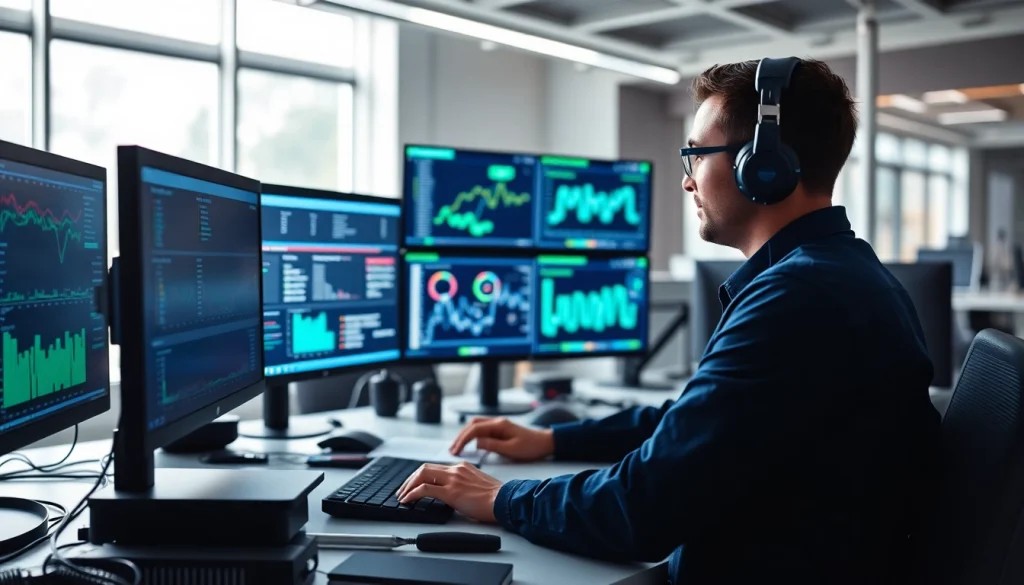
Introduction to Remote Monitoring and Management (RMM)
In today’s fast-paced digital landscape, organizations are increasingly seeking reliable solutions to manage their IT infrastructure effectively. One such paramount solution is Remote Monitoring and Management (RMM). This technology allows IT professionals to monitor, manage, and secure an organization’s IT assets from a distance, drastically improving operational efficiencies and reducing downtime.
What is Remote Monitoring and Management (RMM)?
Remote Monitoring and Management (RMM) comprises a suite of tools and processes used by IT service providers to oversee and manage their clients’ IT infrastructures remotely. This approach goes beyond mere monitoring; it includes proactive management tasks, such as remote troubleshooting, patch management, and system updates, ensuring that all components of a network function optimally without the need for physical presence.
Importance of RMM in IT Management
The significance of RMM in IT management cannot be overstated. By leveraging RMM tools, businesses can achieve:
- Proactive IT Management: RMM enables IT teams to identify and address issues before they escalate, thereby minimizing interruptions.
- Increased Efficiency: IT personnel can manage numerous endpoints and IT assets simultaneously, optimizing their productivity.
- Scalability: RMM solutions allow businesses to scale their IT management efforts easily as they grow, adapting to new technologies and infrastructures.
Key Components of Remote Monitoring and Management (RMM)
RMM solutions encompass various components that provide comprehensive management capabilities, including:
- Monitoring: Constant surveillance of hardware and software performance, network health, and system outages.
- Automation: Automating repetitive tasks, such as software updates and report generation, to save time and resources.
- Reporting: Generating detailed reports on system performance, user activities, and compliance levels.
- Remote Control: Enabling IT professionals to access systems and resolve issues remotely, without requiring user intervention.
Benefits of Remote Monitoring and Management (RMM)
Enhanced System Performance and Uptime
One of the compelling advantages of RMM is its ability to enhance system performance. With continuous monitoring, potential issues can be detected and resolved swiftly, significantly improving uptime. This proactive approach reduces the likelihood of unexpected failures, allowing organizations to maintain smooth operations.
Cost Efficiency and Resource Allocation
Implementing RMM translates to cost savings for organizations. By automating routine tasks and reducing the need for on-site visits, businesses can optimize their IT budgets. Moreover, resource allocation becomes more efficient, enabling IT teams to focus on strategic projects rather than mundane maintenance tasks.
Improved Security Measures through RMM
Cybersecurity threats continue to evolve, making robust security measures essential for any organization. RMM solutions enhance security by keeping systems updated with the latest patches, monitoring for suspicious activities, and providing rapid response to potential breaches. This multi-layered approach to security helps mitigate risks associated with data breaches and other cyber threats.
Challenges of Implementing Remote Monitoring and Management (RMM)
Common Obstacles in RMM Deployment
While the advantages of RMM are substantial, deployment can present challenges. Common obstacles include:
- Lack of Integration: Difficulty in integrating RMM tools with existing systems can hinder performance and data flow.
- Budget Constraints: Initial investment costs for RMM solutions may deter smaller organizations from adoption.
- Resistance to Change: Employees may resist new technologies, which can impede successful deployment.
Addressing Security and Compliance Issues
Security and compliance are critical concerns when implementing RMM. Organizations must ensure that RMM solutions comply with industry regulations and standards while maintaining the integrity of sensitive data. Establishing stringent policies and protocols, as well as training staff on security practices, is vital for successful RMM integration.
Managing User Resistance to New Technologies
Resistance to adopting new technologies is a common challenge in any workplace. To mitigate this, organizations should involve employees in the selection and implementation processes of RMM solutions. Providing thorough training and demonstrating the benefits of these tools can help ease tensions and foster a culture of technological adoption.
Best Practices for Remote Monitoring and Management (RMM)
Establishing Effective Monitoring Protocols
Establishing robust monitoring protocols is crucial for effective RMM. Organizations should define clear metrics for success, including uptime goals, response times, and incident resolution rates. Regularly reviewing these metrics can help IT teams identify areas for improvement.
Integrating RMM with Existing Systems
Successful RMM implementation requires seamless integration with existing IT systems and processes. Choosing RMM solutions that offer compatibility with current software and hardware is essential. Additionally, establishing a clear roadmap for integration can help ensure a smooth transition.
Training Teams for Optimal Utilization of RMM Tools
Comprehensive training for IT teams is imperative to maximize the benefits of RMM tools. Training should encompass not only the technical aspects of using the RMM solution but also best practices for proactive management and troubleshooting. Ongoing education about emerging threats and advancements in RMM technology will further enhance organizational capabilities.
Evaluating Remote Monitoring and Management (RMM) Solutions
Criteria for Selecting RMM Software
Choosing the right RMM solution is critical for achieving organizational goals. Key criteria to consider when selecting RMM software include:
- Scalability: Ensure the solution can accommodate growing IT infrastructures.
- Feature Set: Look for comprehensive features that address the specific needs of your organization.
- Usability: Choose software with an intuitive interface to facilitate ease of use by the IT team.
- Support Services: Comprehensive technical support is essential to resolve potential issues swiftly.
Measuring the Performance of RMM Initiatives
To assess the success of RMM initiatives, organizations should implement a performance measurement framework. Key performance indicators (KPIs) may include:
- Mean time to repair (MTTR)
- Percentage of issues resolved remotely
- System uptime percentage
- Cost savings achieved through reduced downtime
Future Trends in Remote Monitoring and Management (RMM)
The landscape of RMM is continually evolving, driven by technological advancements and changing business needs. Future trends to watch include:
- AI and Machine Learning: These technologies will enhance the predictive capabilities of RMM solutions, fostering proactive management.
- Integration with IoT: As more devices become interconnected, RMM tools will evolve to manage and secure IoT environments effectively.
- Enhanced Cybersecurity Features: Future RMM solutions will likely incorporate advanced security protocols to combat increasingly sophisticated cyber threats.