Understanding Pet Odor Carpet Cleaning
When you share your home with pets, the joy they bring can often be overshadowed by the challenge of maintaining a fresh, inviting space. One major concern for pet owners is the persistent odors that can linger in carpets, making effective pet odor carpet cleaning a top priority for maintaining a comfortable home. Understanding the reasons behind these odors is crucial to tackle them effectively.
What Causes Pet Odors in Carpets?
Pet odors in carpets are primarily caused by urine, feces, and other organic substances that may be deposited by pets. When these substances seep into the carpet fibers and padding, they can start to decompose, leading to unpleasant smells. Other factors contributing to pet odors include:
- Spills and accidents: Although we try to manage our pets, accidents can happen, and spills left untreated can lead to lingering odors.
- Moisture accumulation: Humidity can exacerbate odors because moisture can reactivate the odor-causing bacteria present in carpets.
- Skin dander and hair: Pets naturally shed dander and hair, which can also trap odors, especially when not cleaned regularly.
Common Signs Your Carpet Needs Cleaning
A keen sense of smell is usually the first indicator that your carpets need a deep clean. However, there are other signs to watch for, including:
- Unpleasant odors: If you notice a persistent pet smell, it indicates that deeper cleaning is required.
- Visible stains: Discoloration in carpet fibers can point to accidents that have penetrated the carpet backing.
- Increased allergy symptoms: If family members are experiencing allergies, dirty carpets could be exacerbating their symptoms.
- Dirt buildup: Carpets may appear dull or dirty, undermining the aesthetic of your home.
Why Traditional Cleaning Fails with Pet Odors
Many homeowners resort to traditional cleaning methods, believing they can effectively eliminate pet odors. However, these methods often fall short due to several reasons:
- Surface cleaning: Most traditional cleaning techniques only address the surface layer of the carpet, leaving odor sources deep within the fibers.
- Improper technique: Using water and soap without sufficient rinsing can lead to residue build-up, which can attract dirt and cause more odors.
- Odor masking: Many products mask odor rather than neutralize it, providing only temporary relief.
Essential Tools for Pet Odor Carpet Cleaning
Recommended Equipment for Effective Cleaning
Choosing the right equipment is vital for effective pet odor carpet cleaning. Key tools include:
- Carpet cleaner: A robust carpet cleaner with powerful suction capabilities to extract dirt and odors effectively.
- Steam cleaner: A steam cleaner can penetrate deep into the fibers, killing bacteria and neutralizing odors.
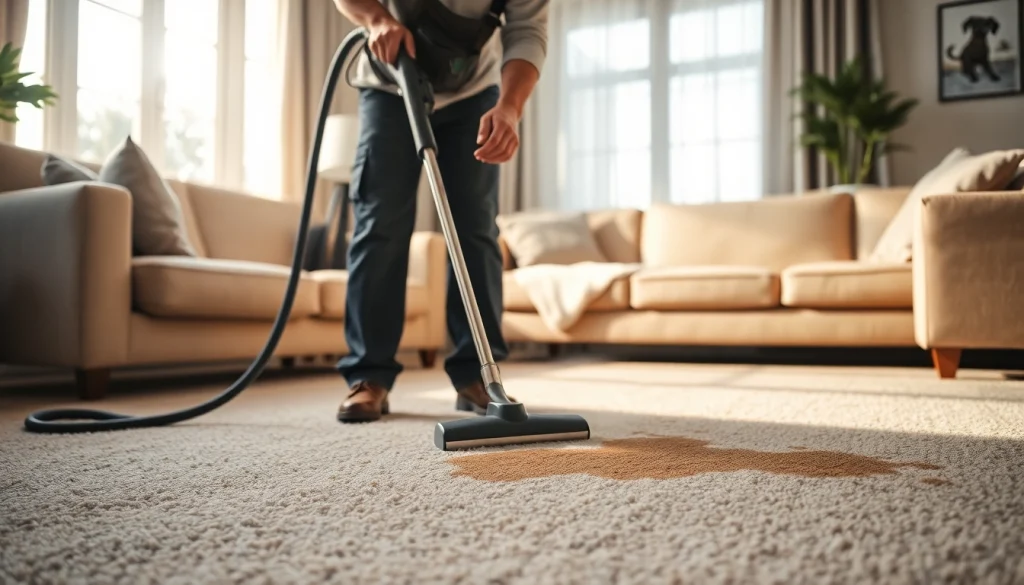
- Professional-grade vacuum: A vacuum with advanced filtration systems can capture pet hair and dander, reducing allergens in the home.
Key Cleaning Solutions and Their Benefits
Selecting the right cleaning solutions is essential. Some highly recommended solutions include:
- Enzymatic cleaners: These utilize enzymes that break down the organic materials causing odors, ensuring effective removal.
- Baking soda: An excellent natural deodorizer that can absorb and neutralize odors when applied to carpets.
- White vinegar: A common household ingredient that can help neutralize odors and remove stains without harsh chemicals.
Safety Considerations When Choosing Products
When cleaning carpets, especially with pets around, safety is paramount. Always consider the following:
- Non-toxic ingredients: Look for cleaning products that are labeled as non-toxic to prevent harming pets and humans.
- Hypoallergenic options: Choose products that minimize allergic reactions, especially for sensitive individuals in the household.
- Proper ventilation: Ensure good airflow during cleaning to disperse any chemical fumes, even if they are labeled as safe.
Step-by-Step Guide to Clean Pet Odors
Preparing Your Space for Cleaning
Preparation is critical for effective cleaning. These steps can help:
- Remove furniture: Clear the area of furniture and other items to have a clear space for cleaning.
- Vacuum thoroughly: Use a vacuum cleaner to remove loose dirt, hair, and debris from the carpet.
- Identify problem areas: Check for stains and odors to focus your cleaning efforts where needed most.
Executing the Cleaning Process
Follow these steps for successful cleaning:
- Pre-treat stains: Use a stain remover directly on any visible accidents and let it sit per product instructions.
- Apply cleaning solution: If using a machine, follow the manufacturer’s instructions for dilution and application.
- Use a carpet cleaner: Proceed with the cleaner to extract dirt, odors, and any cleaning solution residue.
- Rinse and repeat if necessary: If odors persist, a second cleaning may be required to fully eliminate the problem.
Finishing Touches for Smelling Fresh
Once cleaning is complete, ensure that your carpet and home stay fresh with these finishing touches:
- Let the carpet dry completely: Good airflow will help speed up drying, minimizing the chance of mold or mildew.
- Use baking soda: Sprinkle baking soda on the carpet and let it sit for a few hours or overnight to absorb any lingering odors.
- Vacuum again: After an adequate drying period, vacuum the carpet to remove the baking soda and refresh the fibers.
Preventing Future Pet Odors
Regular Maintenance for a Clean Carpet
Prevention is always better than cure. Adhering to a regular maintenance routine can significantly reduce pet odors:
- Frequent vacuuming: Aim to vacuum carpets at least once a week to combat hair and dander.
- Routine cleaning: Schedule deep cleanings every few months based on the number of pets and traffic on carpets.
- Immediate stain treatment: Address spills and accidents quickly to prevent odors from setting into the carpet.
Choosing the Right Products for Odor Prevention
Effective odor prevention solutions include:
- Odor-neutralizing sprays: These can freshen up carpets between cleanings.
- Pet-specific cleaners: Opt for formulas tailored to handle pet messes and their related scents.
- Regular carpet fresheners: Incorporate products like baking soda to regularly eliminate odors.
Behavioral Tips to Minimize Accidents
Preventing accidents is vital for maintaining a clean home. Here are some tips:
- Training: Invest time in training pets to go outside or in designated areas for bathroom needs.
- Positive reinforcement: Reward positive behavior during training to encourage good habits.
- Monitoring: Keep an eye on your pets, especially when they seem restless or signal they need to go out.
Frequently Asked Questions about Pet Odor Carpet Cleaning
How often should I clean my carpet for pet odors?
It’s advisable to deep clean carpets every 3-6 months, but high-traffic areas or frequent accidents might require more frequent cleaning.
Can I use homemade solutions for pet odor removal?
Yes, many people use solutions like vinegar and baking soda effectively to neutralize odors, but test a small area first.
Are there specific techniques for spot cleaning?
Yes, blotting the stain, applying a cleaning solution, and rinsing with plain water is effective. Always blot, don’t rub.
What are the benefits of professional cleaning?
Professional cleaning provides specialized equipment, deep cleaning expertise, and often includes treatment for stains and odors that standard home methods cannot achieve.
How can I prevent my pet from re-soiling areas?
Consistent training, frequent outdoor access, and using enzyme cleaners can help prevent pets from returning to previously soiled areas.