Understanding Kitchen Worktop Materials
The kitchen is often considered the heart of the home, where culinary creativity meets social interaction. One crucial decision in designing or renovating this space is the choice of kitchen worktop material. As the worktop will affect both the functionality and aesthetics of your kitchen, understanding the available options is vital. This Kitchen Worktop Materials Comparison offers an in-depth overview of the various types of materials, key factors to consider, and their environmental impact.
Types of Kitchen Worktop Materials
Kitchen worktops come in various materials, each bringing unique benefits and aesthetic qualities to your kitchen design. Here are some of the most popular options:
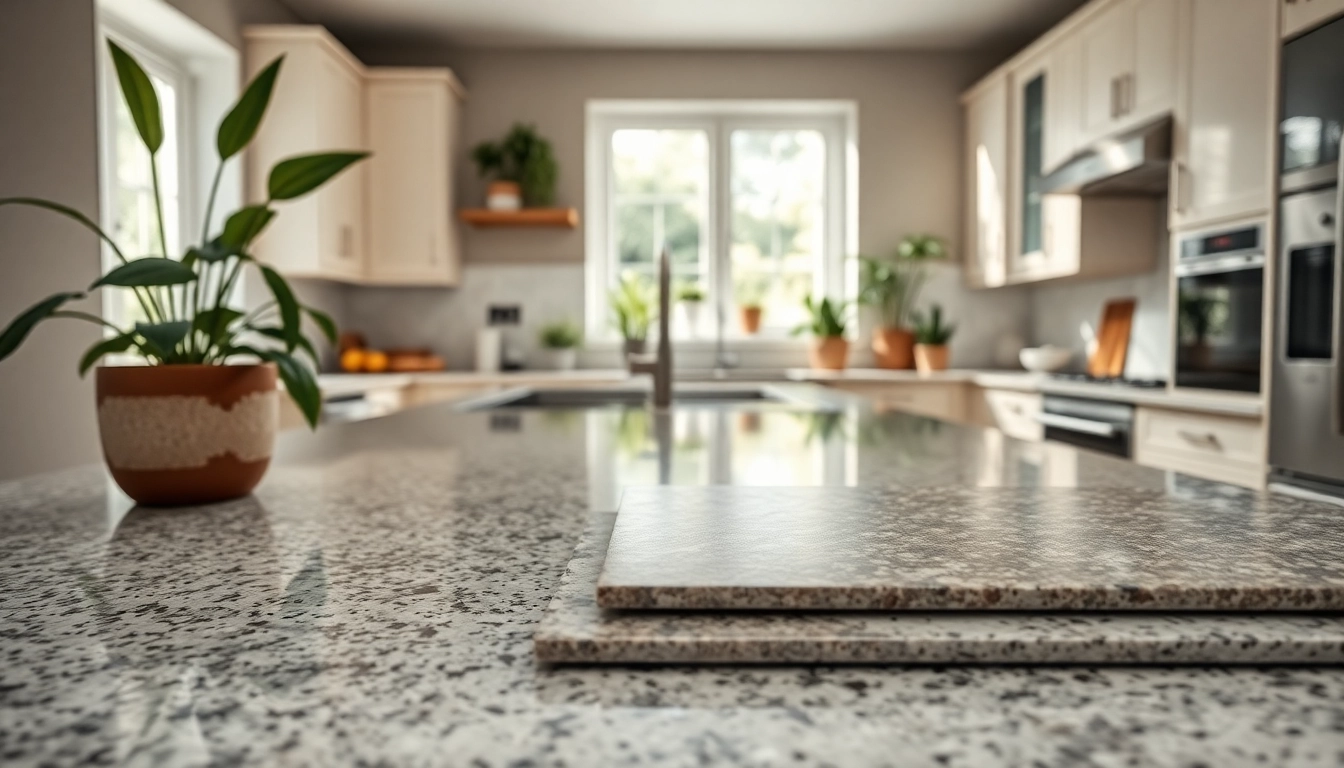
- Granite: A natural stone known for its durability and resistance to heat and scratches. Its beauty comes from unique patterns and colors, making each slab distinctive.
- Quartz: An engineered stone combining natural quartz with resins, offering a non-porous surface that resists stains and scratches. It comes in numerous colors and patterns.
- Laminate: A budget-friendly option made from synthetic materials that can mimic the look of natural stones. It’s easy to maintain but less durable than stone alternatives.
- Solid Surface: Composed of acrylic or polyester, this option can be easily shaped and repaired. It offers a seamless look and resists stains but may scratch more easily than other materials.
- Wood: Known for its warmth and versatility, wooden worktops can add a rustic charm. However, they require regular maintenance to avoid warping and staining.
- Concrete: Offers a modern industrial aesthetic and is customizable in terms of color and finish. It is highly durable but needs sealing to prevent staining.
Factors Influencing Material Choice
When selecting a kitchen worktop material, several factors come into play:
- Durability: Consider how often the surface will be used; high-traffic kitchens might benefit from harder materials like granite or quartz.
- Maintenance: Assess how much upkeep each material requires. For instance, granite needs sealing, whereas laminate is simpler to clean.
- Cost: Budget constraints can limit your options. Natural stones tend to be pricier than synthetic competitors.
- Aesthetics: The visual appeal of the worktop should complement your kitchen’s design style.
- Environmental Impact: Sustainable materials might be a priority for eco-conscious homeowners.
Environmental Impact of Kitchen Materials
When assessing kitchen worktop materials, consider their ecological footprint. Natural stones such as granite and quartz have a lower impact from use and longevity but involve energy-intensive extraction processes. Laminate, being synthetic, can often be derived from recycled materials but may not be biodegradable. Solid surfaces can vary, with some brands focusing on sustainable practices. Assess certifications indicating environmentally friendly manufacturing processes for better decision-making.
Comparing Popular Kitchen Worktop Options
Granite vs. Quartz: A Material Showdown
Granite and quartz are frequently compared due to their popularity and similar aesthetic appeal. Granite is a natural stone offering an extensive range of colors and patterns, each unique due to its geological formation. It’s exceptionally durable and can endure heat and scratches, making it ideal for cooking environments.
On the flip side, quartz is engineered, allowing for more uniformity in design. It combines crushed stone with resin, making it easier to maintain and more resistant to stains since it’s non-porous. Overall, while granite showcases a natural beauty, quartz provides versatility and practical advantages, especially in low-maintenance requirements.
Laminate vs. Solid Surface: Pros and Cons
When exploring affordability, laminate and solid surfaces offer different advantages. Laminate is cost-effective, lightweight, and available in various styles, including imitations of wood and stone. Its downside includes susceptibility to scratches and moisture. In contrast, solid surface materials provide similar aesthetic flexibility but feature a more robust build with seamless joints. They can be scraped and repaired if damaged, making them last longer in high-use kitchens.
Comparing Durability and Maintenance Needs
This comparison emphasizes the trade-offs for each material regarding durability and maintenance:
- Granite: Durable and scratch-resistant but needs sealing every few years.
- Quartz: Non-porous and does not require sealing, but may scratch.
- Laminate: Budget-friendly but less durable; requires careful handling to avoid dents and burns.
- Solid Surface: Repairable and durable, requires simple cleaning with mild soap.
- Wood: Beautiful with proper care; susceptible to heat and moisture if not maintained.
- Concrete: Extremely durable but needs sealing; susceptible to staining.
Cost Analysis of Kitchen Worktop Materials
Budget-Friendly Options vs. Luxury Choices
Understanding the cost spectrum of kitchen worktops can help in setting your budget. Budget-friendly options like laminate start much lower per square foot, making them accessible for vast renovations. On the higher end, granite and quartz can command luxury prices, often reflecting their durability and aesthetic appeal.
For example, while laminate may range from $10 to $40 per square foot, granite can range from $40 to over $100. Solid surfaces typically fall in between, with costs from $30 to $70. Establishing a budget helps streamline choices as you evaluate necessary aspects such as installation and future repairs.
Long-Term Value Considerations
While initial costs are essential, consider long-term value. Higher upfront investments in durable materials like granite or quartz may lead to savings over time due to their longevity and lower maintenance needs. In contrast, cheaper materials might require frequent repairs or replacements, leading to greater long-term costs.
Initial Investment vs. Future Resale Value
Homes with high-quality kitchen worktops often see an increase in resale value. Materials like granite and quartz enhance market appeal, while laminate may not return the same investment. When choosing materials for a kitchen remodel, weigh the initial investment against expected returns when reselling your home.
Design Trends in Kitchen Worktops
Current Aesthetic Preferences
Kitchen design is ever-evolving, reflecting broader trends in home design. Currently, clean lines and minimalism dominate, with natural materials playing a significant role. Quartz and granite countertops are often used in conjunction with cabinetry to create cohesive designs. Natural stones are appreciated for their unique patterns, while solid surfaces offer seamless integration into contemporary kitchens.
Integrating Worktops with Kitchen Décor
Choosing a worktop material should align with overall kitchen decor. For example, pairing dark granite with light cabinetry can create a striking contrast, while a soft solid surface in neutral tones can lend a modern and airy feel. Additionally, matching the worktop with backsplashes can enhance visual coherence, bringing an engaging look while emphasizing elegant design elements.
Color Trends and Customization
Color trends for kitchen worktops are leaning toward earth tones, pastels, and bold hues like navy and emerald green. Additionally, customized worktops can add a personal flair to the kitchen. Advances in manufacturing allow homeowners to design surfaces that reflect individual styles, from intricate veining in stone to personalized color blends in solid surfaces.
FAQs on Kitchen Worktop Materials Comparison
What is the most durable kitchen worktop material?
Granite and quartz are often regarded as the most durable options, providing resistance to scratches and heat, ideal for high-usage kitchens.
How do I choose the right kitchen worktop?
Consider factors like durability, maintenance, aesthetics, and budget to choose the ideal worktop for your kitchen that fits your lifestyle.
Are laminate worktops worth it?
Yes, laminate worktops are cost-effective and available in various striking designs, but they may not be as durable as stone options and require careful handling.
What maintenance do kitchen worktops require?
Maintenance varies by material; granite needs sealing to resist stains, while laminate requires simple cleaning with mild detergent and should be protected from heat.
Can I mix different kitchen worktop materials?
Yes, mixing materials can create unique designs and focal points in your kitchen; just ensure they complement each other both visually and functionally.
About the Author